When your child says "I can't draw"
By the Scribblie team · Published · 8 min read
In this guide
- What it sounds like at home
- Why it happens
- First, what not to say
- What to say instead
- Take the pressure off looking real
- Shape tricks and tracing that really work
- Change the setting, not just the advice
- School, siblings and the friend who is brilliant at horses
- What you can do by example
- When to look further
- A tiny thing for tonight
- Common questions
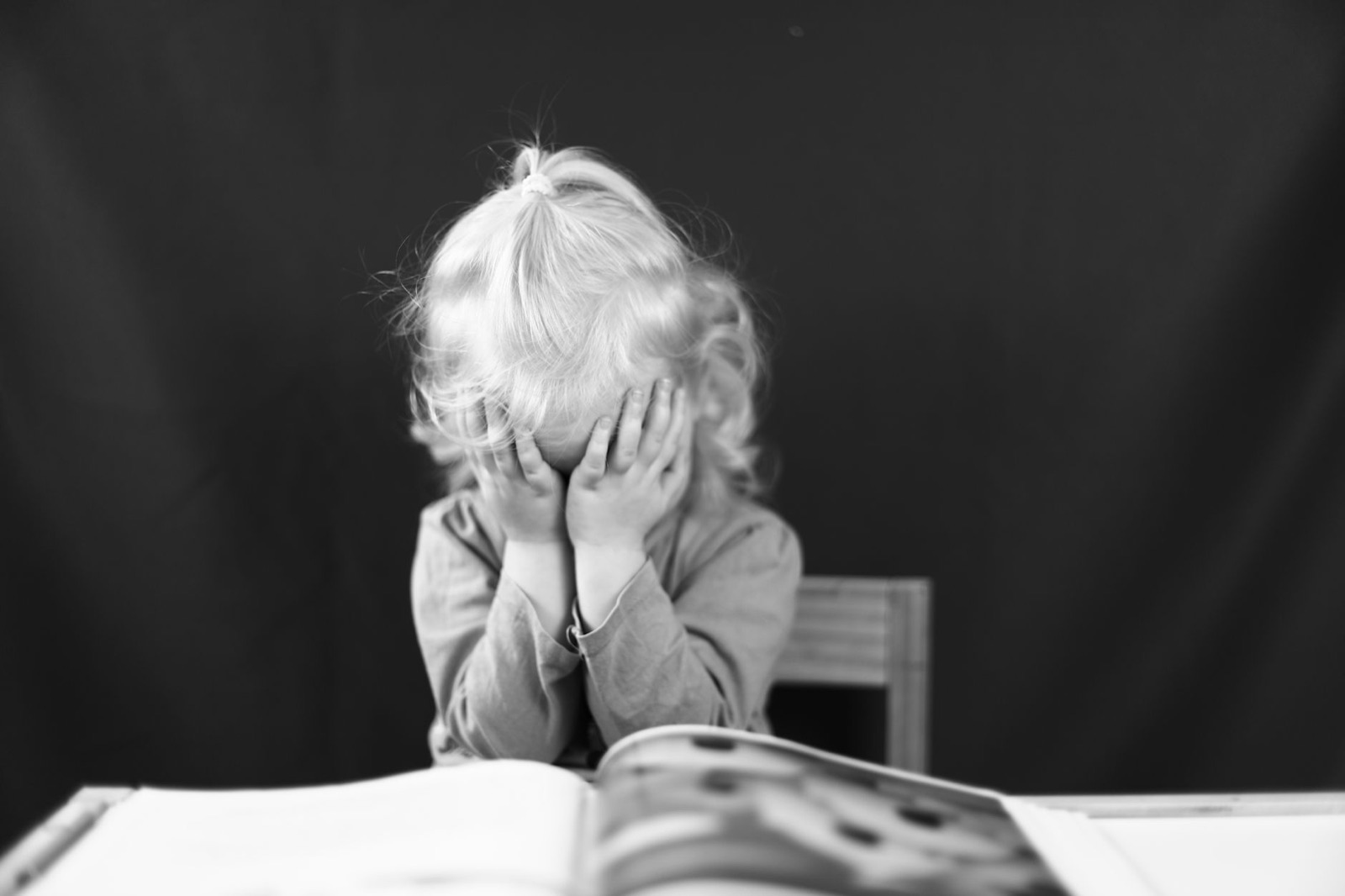
Take the sentence seriously, but do not panic about it. When a child who has drawn happily for years suddenly announces "I can't draw", it usually means their eye has got ahead of their hand. They can see exactly how a horse should look, and they can see that theirs does not. That gap is uncomfortable, it is very common, and it is not evidence of a lack of talent.
What helps is lowering the stakes, changing the job and drawing beside them (a bit of reassurance is fine, a drawing lesson is not). The rest of this guide is how.
What it sounds like at home
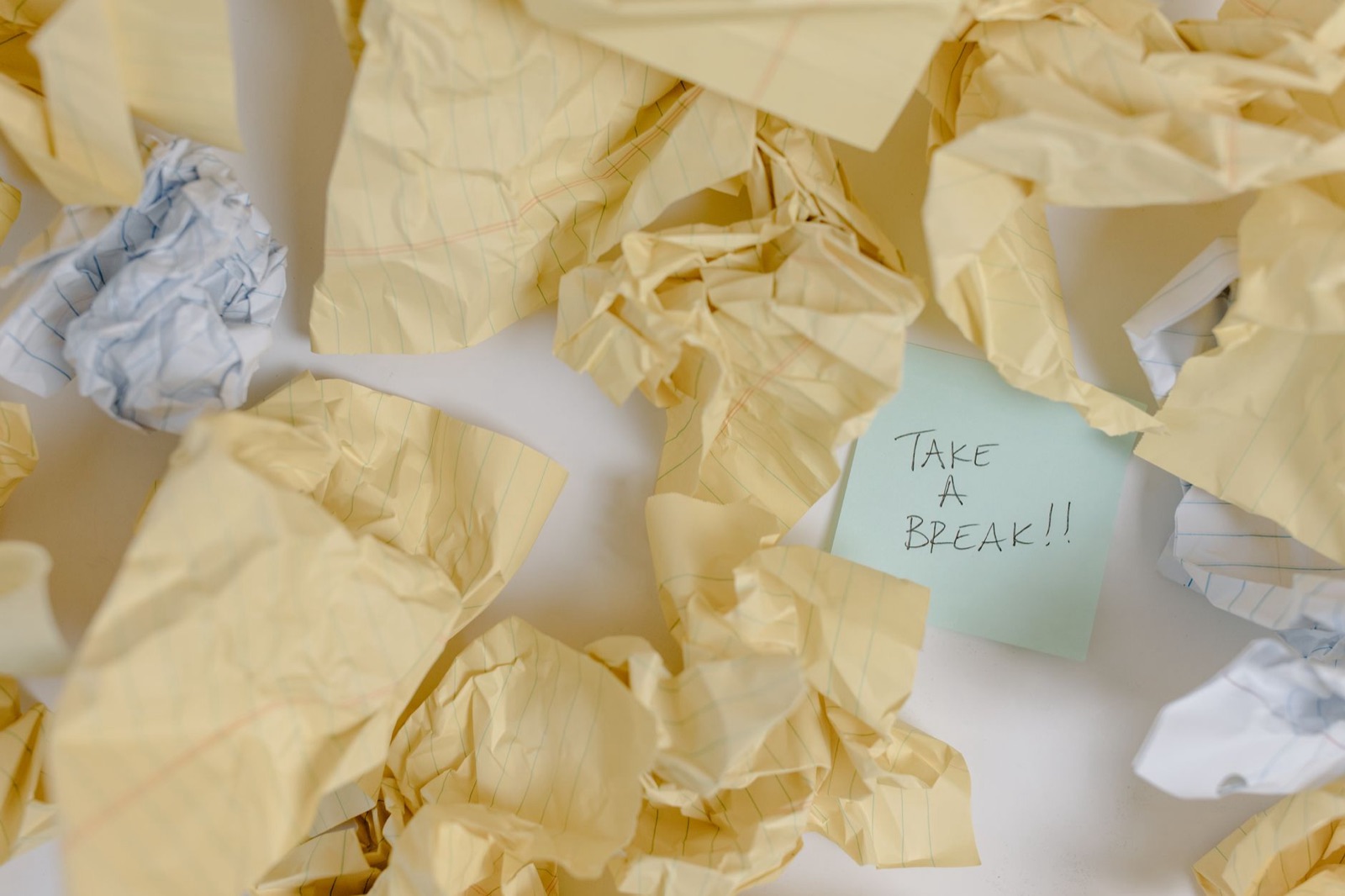
A typical version goes like this. Your nine-year-old has spent twenty minutes on a dog. The legs are the wrong length, the head is lopsided. She screws the page up, pushes it away and says "I'm rubbish at drawing", in a voice that makes it clear that the conversation is over.
It stings, for both of you. You have probably watched her draw all through her early years with total abandon. Now there is a critic in the room and it has moved into her head.
We are not child psychologists, and this is not a diagnosis of anything. But the pattern is well known to people who work with children and art: as children get older, they become more aware of how a picture is supposed to look, and more aware of what other people think. Many children go through a self-critical phase around this time, often somewhere in the range of eight to ten, though it can come sooner or later. Some never have one.
Why it happens
Younger children draw to say something. A picture is a story, and "does it look like a dog?" does not come into it. Then, gradually, they start to compare, with photographs, with illustrations in books, with the classmate who is brilliant at horses.
At the same time, their taste outpaces their hand. They can tell exactly what is wrong with a picture, long before they know how to fix it. This is the exact situation every artist, at any age, goes through. The difference is that an adult has usually learned that this is how it feels to improve. A nine-year-old has not.
Add school, where drawing is sometimes marked or displayed, and a friend who is a natural at it, and you have the ingredients. The child is not being dramatic. They are accurately perceiving a gap, and hating it.
First, what not to say
The instinct is to fix it fast. A few well-meant responses tend to backfire:
- "Don't be silly, it's lovely!" The child can see it is not what they wanted, so they conclude you are not being straight with them.
- "Everybody can draw, you just have to practise." True, perhaps, but it turns the conversation into homework.
- "Here, let me show you." Even a gentle demonstration tells the child that the problem is their method, and your version will be better than theirs.
- "You're better than [sibling or friend]." Comparisons feed the thing you are trying to starve.
- "You were so good when you were little." Please do not.
None of these is a crime. We have said most of them ourselves. They just do not work very well.
What to say instead
Start by treating the feeling as reasonable. Here are some lines that tend to go over better, and you can mix and match them:
"That does sound frustrating. You had a really clear picture in your head." "It is hard to make the drawing match the picture in your mind. Even grown-up artists say that." "What's the part that bugs you most?" "Want to take a break and come back to it, or try a different way?"
None of those says the drawing is good or bad. They say: I have heard you, I do not think you are hopeless, and I am here. The last one hands back a choice, which matters. A child who is feeling powerless about a drawing often needs to decide something.
When the moment has passed, praise effort and decisions rather than outcome: "I noticed you kept going after the legs went wrong," or "I like how you chose to make the ears huge." For more on this, see how to praise a child's drawing without killing their curiosity.
Take the pressure off looking real
Most of the damage is done by one assumption: that a good drawing is a realistic one. It is the most common idea about art, and it is the one that makes children quit.
You can quietly widen the definition at home. Ask them about a drawing they love in a book, one that is clearly not realistic, such as a cartoon or a picture-book illustration, and ask what they like about it. Often it is the funny faces, the exaggeration, the feeling, not the accuracy.
Then give them projects where realism is beside the point:
- Monsters. Nobody can tell a monster is wrong. We have a whole game in the draw-a-monster game.
- Patterns and doodles. No subject, no failure. See doodle ideas for bored kids.
- Maps of imaginary places. A treasure island, a school for wizards, a secret garden.
- Comics with stick figures. The jokes matter more than the drawing, and a stick figure is a perfectly respectable actor.
- Designs. A cake, a hat, a car with six wheels, a tree house with a slide.
The goal is to remind them that drawing can be many things, and that "looks real" is only one of them.
Shape tricks and tracing that really work
Some children do want to get better at making things look right, and in that case a few practical tools are worth having. None of them is cheating.
Build from basic shapes. Almost anything can be started with circles, ovals, rectangles and triangles. A dog is a big oval body, a smaller circle head, four rectangles for legs. Draw them lightly, then join up the outline. It takes the intimidation out of the blank page.
Trace to feel it. Tracing a favourite cartoon character, or a simple outline, lets a child feel what a confident line is like, and lets them see how the parts fit together. Tracing paper or a window and a sheet are all you need. We would not use it as an end in itself, but it is a fine warm-up and a decent confidence boost.
Draw what you see, not what you know. Try an exercise in which a child draws a mug, a shoe or a hand without worrying about what it ought to look like, only about the shapes and angles they actually see. Turning the object upside down sometimes helps, because it stops the brain from jumping to "mug".
Use a pencil and a rubber. Let them know that rubbing out is part of drawing. Many children think a good artist gets it right first time, and nothing could be further from the truth.
Draw for a short time. Five minutes with a timer and no judging is better than an hour of misery.
Change the setting, not just the advice
Sometimes a change of scene helps more than any technique. A few ideas:
- Draw on something big, such as the back of a poster or a roll of paper, where small mistakes disappear into the crowd
- Draw with the other hand, or with your eyes closed, so that everyone is bad at it together
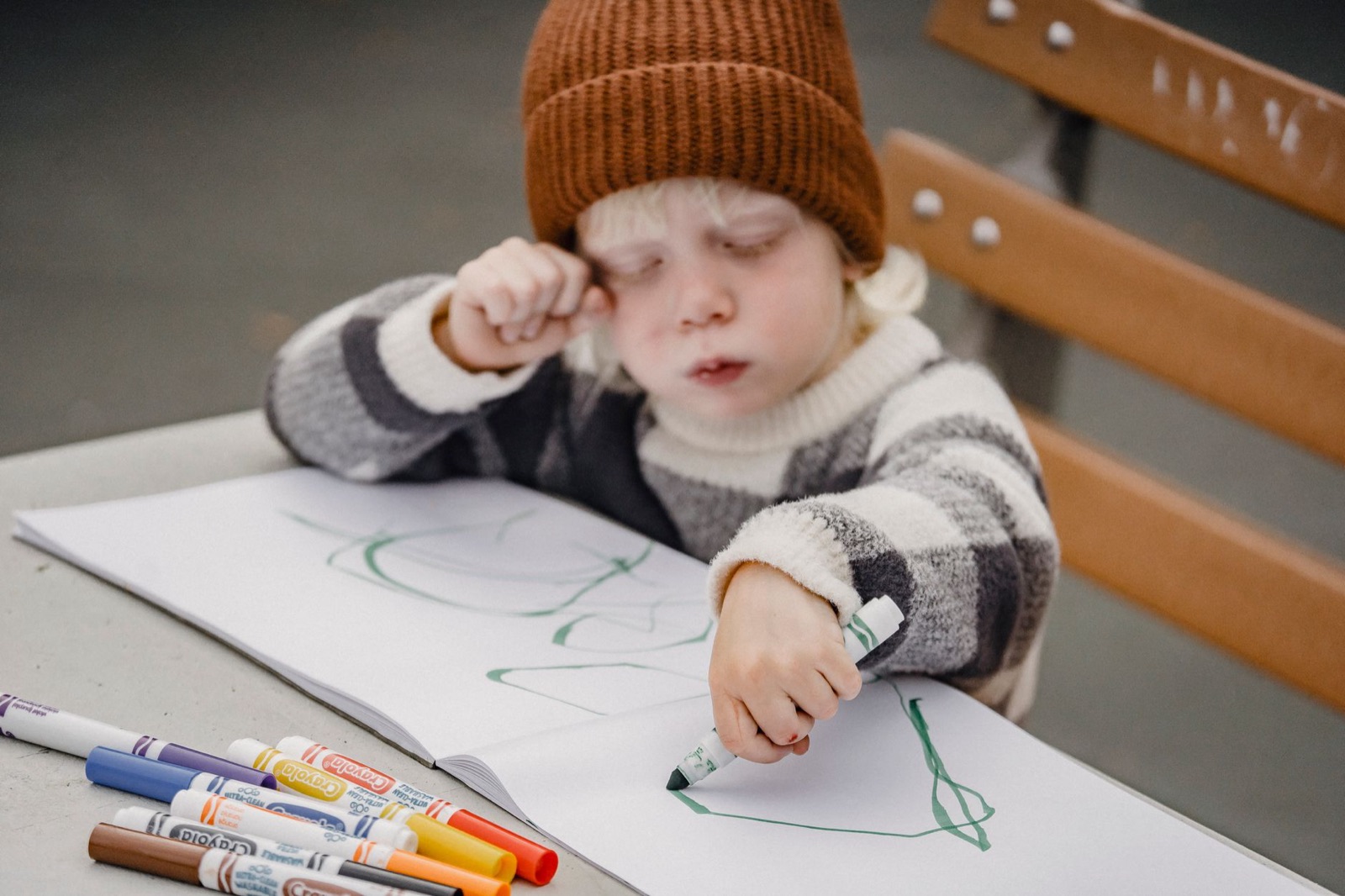
- Use a different tool: a thick marker, a brush with water, a stick in the mud
- Draw with someone else on the same page, taking turns adding to one picture
- Try something with no expectations, like our drawing games that need nothing but paper and a pencil
The aim is for your child to spend time drawing without the feeling of being assessed. Once the drawing is joyful again, the self-criticism tends to lose some of its volume.
School, siblings and the friend who is brilliant at horses
A lot of "I can't draw" is really "somebody else can draw better than me". It helps to name that and not argue with it.
If it is a friend or sibling, you can say, "Yes, she is really good at horses. What are you good at that she's not?" The answer will not always be drawing, and that is fine. The point is to remind your child that skills come in assorted shapes, and that someone else's gift does not cancel theirs.
If it is school, the picture is trickier, because you cannot control what is displayed or marked. What you can do is ask what happened, gently, without assuming the teacher got it wrong. Sometimes a single careless comment from a classmate is behind a whole month of refusal. If the school sets drawing tasks that feel judgmental, a quiet word with the teacher can go a long way. Most teachers would much rather know.
At home, keep a corner where drawings are never judged: no marking, no comments unless the child invites them, no display unless they pick what goes up. It is one place where their pictures are only theirs.
What you can do by example
Children notice what adults do. If you only ever draw when you are good at it, your child will conclude that drawing is for people who are good at it.
So draw badly in front of them. Make a lopsided cat and laugh at it. Say, out loud, "Ha, that leg is wrong, but I kind of like it." Let them see you carry on. It is one of the most effective things you can do, and it costs nothing, though it does require swallowing a little pride.
When to look further
Self-criticism about drawing is, most of the time, a normal bump on the road. But if the harshness is spreading, if your child is calling themselves useless about everything, avoiding school, or seems anxious or low, then it is worth looking beyond the paper. Talk to them, then to their teacher, and to their doctor if the worry persists. The drawing is simply where it surfaced.
A tiny thing for tonight
Put out a page and say, "I'll draw something terrible, you fix it." Draw a dog with five legs and a head like a potato. Pass it over. Let them add, rub out, transform it into whatever they like.
Chances are they will not be able to resist improving it, and without noticing, they will be drawing again.
Common questions
Why does my child suddenly say they can't draw?
Often it happens somewhere around eight to ten, when children start comparing their pictures with real things and with other children's work. Their eye improves faster than their hand, so they can see the gap. It is common and usually passes.
What should I say when my child says they are bad at drawing?
Skip the quick "of course you're not!" and acknowledge the feeling first, for example "It is frustrating when it does not look how you pictured it." Then offer something small to do together, such as drawing it a different way.
How do I encourage creativity in a child who gives up on drawing?
Take the pressure off looking real, change the task (comics, patterns, monsters, maps), draw beside them, and praise effort and choices more than results. Keep the supplies visible and the stakes low.
Is tracing cheating?
We do not think so. Tracing is a time-honoured way to learn how shapes fit together, and it helps a child feel what a confident line is like. It works best as one tool among many, used for fun and not as a way to produce a perfect picture.
Should I send my child to art classes?
It can help if your child asks and the teacher is kind and play-focused. If you are doing it to fix their confidence, the risk is that it adds more pressure. Ask your child and try a short trial first.
Could it be a sign of something more serious?
A child who is hard on themselves about drawing is nearly always just growing up. If the self-criticism is spreading to everything, or your child seems low or anxious generally, talk to their teacher or doctor. The drawing is only where it showed up.
Keep reading
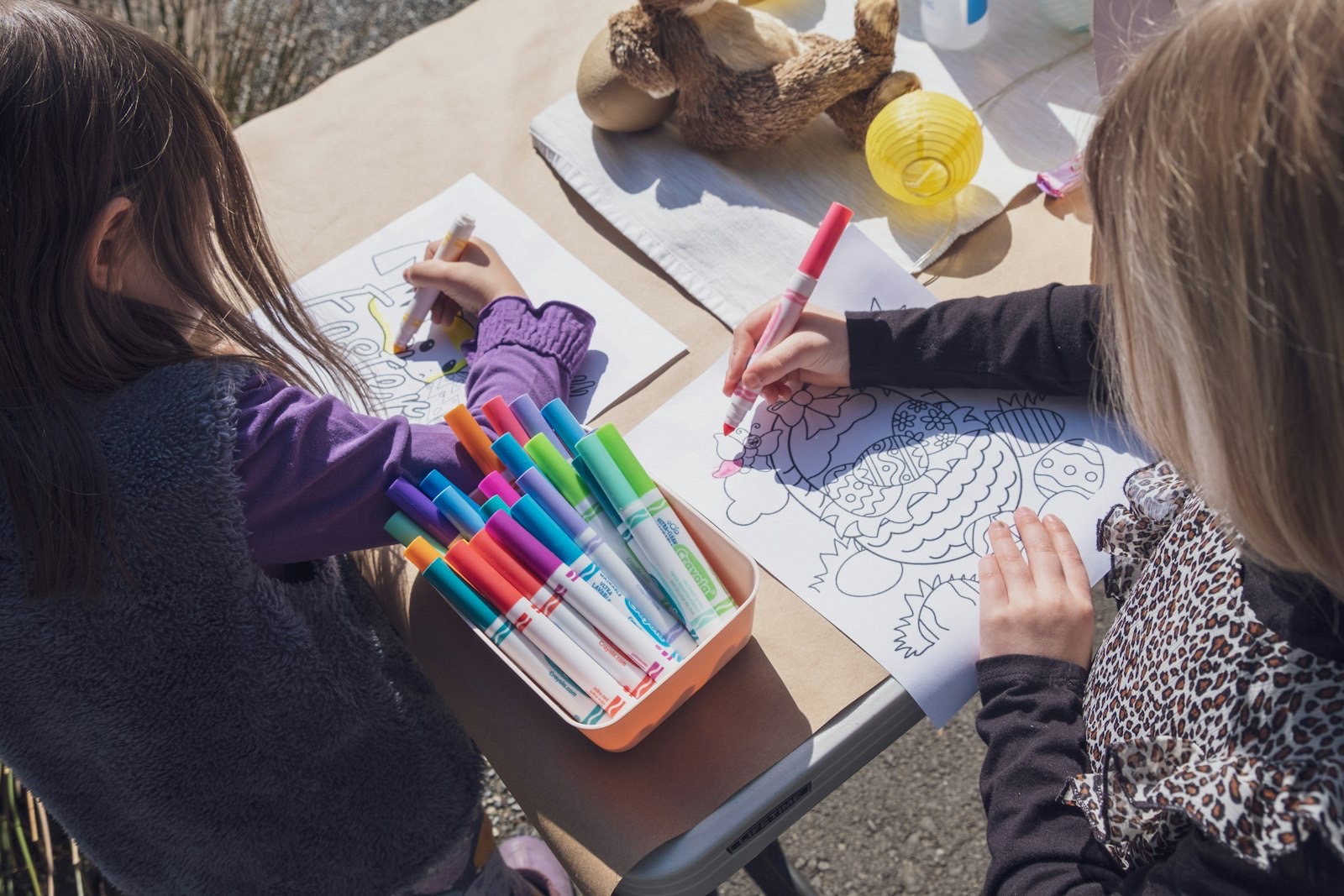
How to praise a child's drawing without killing their curiosity
Skip the automatic "it's beautiful". Here is what to say instead, with example lines for a three-year-old, a six-year-old and a nine-year-old.
8 min read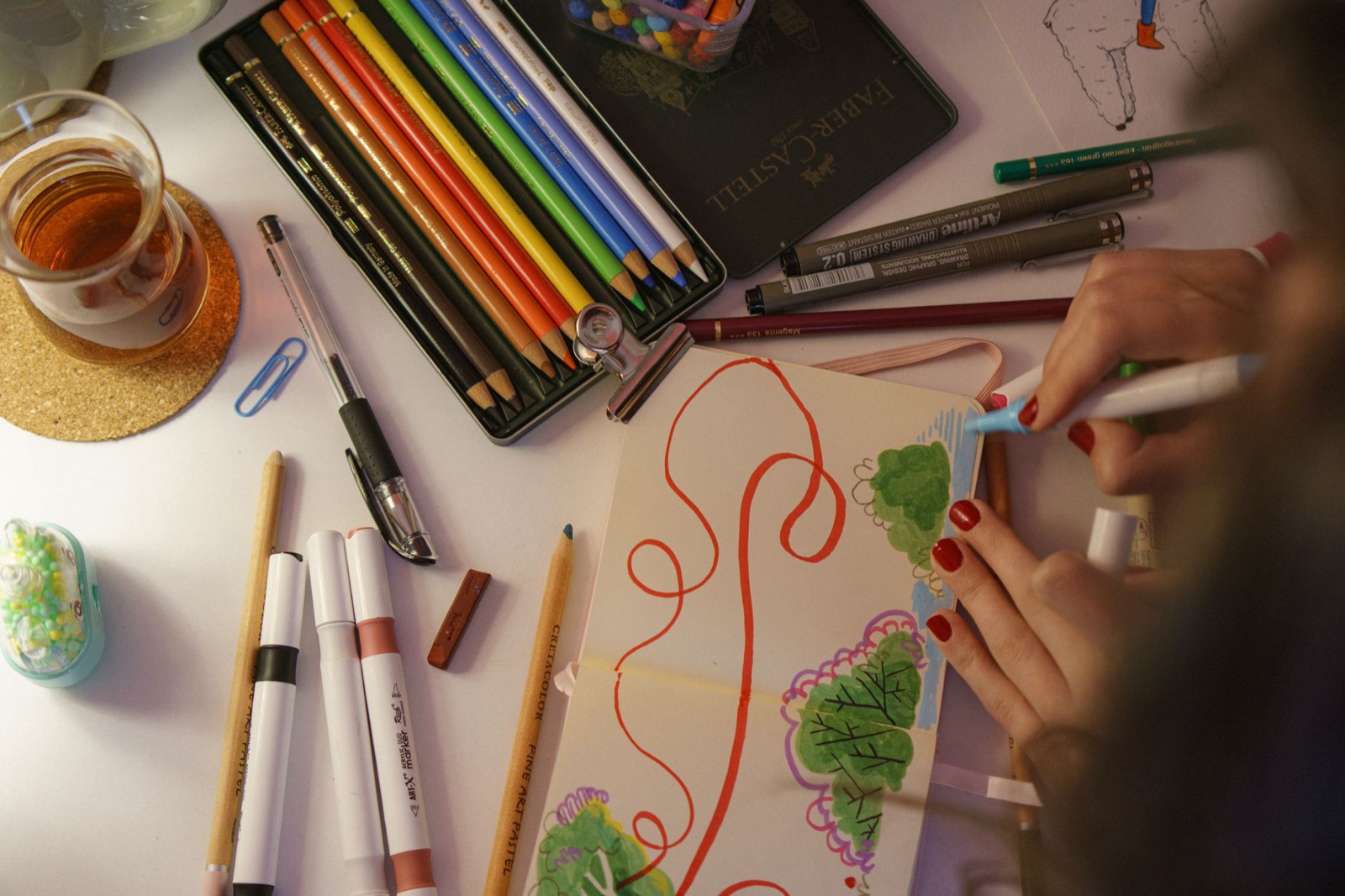
Doodle ideas for bored kids (and bored grown-ups)
Instead of a list of things to doodle, four doodle systems that let a bored child generate endless ideas on the back of anything.
8 min read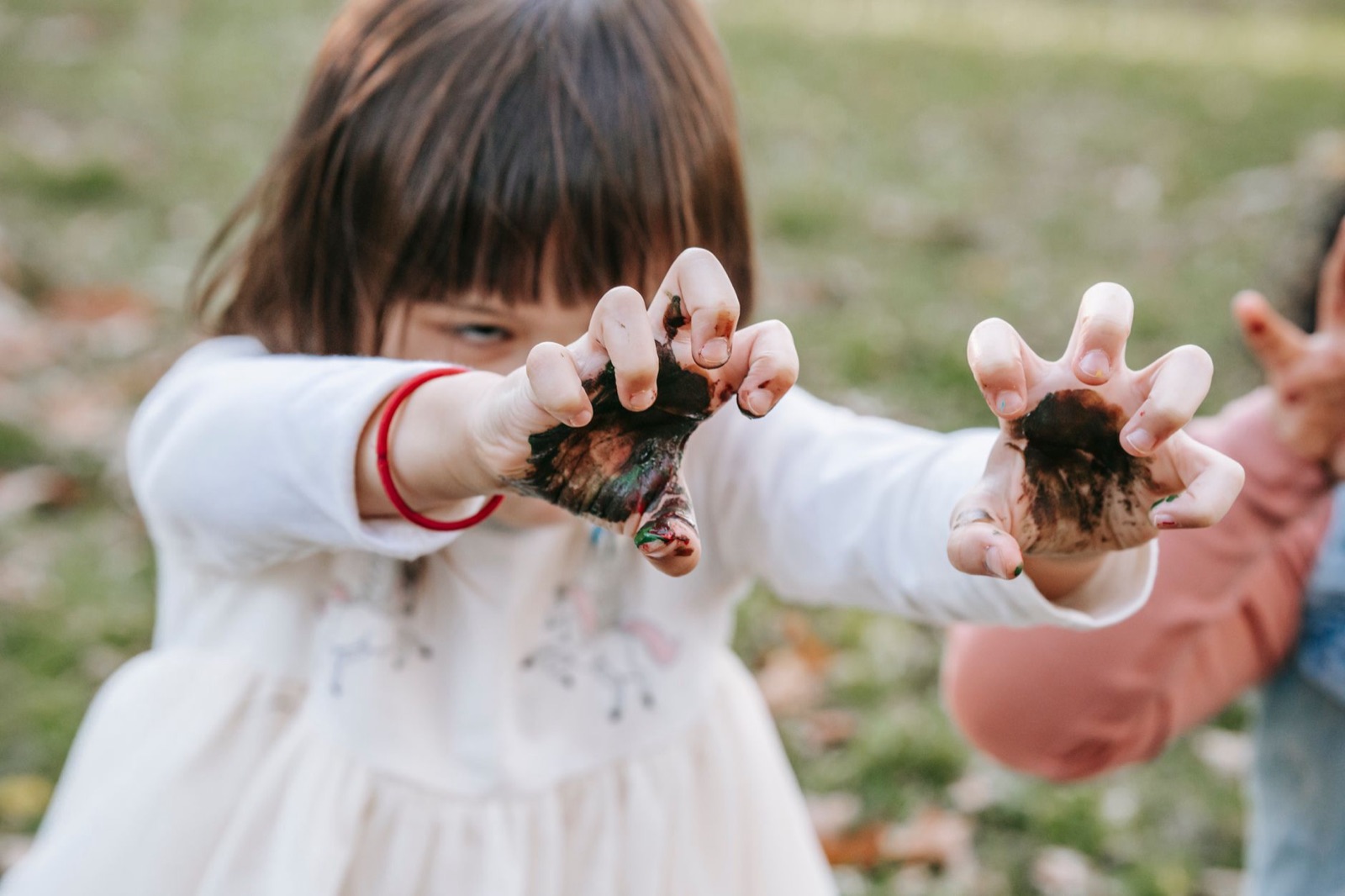
The draw-a-monster game: rules, variations and why kids love it
Three ways to play draw-a-monster, why children return to it again and again, and how to turn a scribble with eleven eyes into a story.
9 min read