How to praise a child's drawing without killing their curiosity
By the Scribblie team · Published · 8 min read
In this guide
- Why "it's beautiful" slides straight off
- The three moves
- What it sounds like at three
- What it sounds like at six
- What it sounds like at nine
- Three things to leave out
- Honest is better than enthusiastic
- When the child asks "Is it good?"
- Getting other adults on the same page
- What to do with the finished drawing
- Practise it tonight
- Common questions
The best praise for a drawing describes what you can actually see and asks about it. "You used so much orange on this side" and "tell me what is happening here" do more for a child's confidence than "it's beautiful!", because they prove you looked. A child who knows you looked carefully will keep drawing for the pleasure of it, and a child who is handed grades learns to draw for the grade.
Everything below is about how it sounds in real life, at three, six and nine, and what to avoid when your own words come out wrong.
Why "it's beautiful" slides straight off
You have probably said it a hundred times, and we have too. It is not terrible. It is just thin.
Children, even small ones, are good at telling automatic praise from the real thing. They can hear it in the tone, and they can see that you said it while still looking at your phone. A general compliment says little about the picture, and over time it can teach something else: that the point of a drawing is to get a reaction.
There is a subtler problem too. If every picture is "perfect", the child has no way to tell which ones they themselves like best. Their own taste, the thing that eventually makes them want to improve, never gets a chance to form. And when they do meet someone who is less generous with praise, such as a teacher, a friend, or a harsher critic in their own head, the contrast can be brutal.
Keep the warmth and put it into the details.
The three moves
Almost every useful reply comes down to one of three things. Mix them as you like.
1. Say what you notice. Describe, without judging. "There's a lot of blue at the top." "The dog is bigger than the house." "You've pressed really hard here." This tells the child that you are looking, and it costs nothing.
2. Ask about it. Open questions that cannot be answered with yes or no. "What is going on in this part?" "What happens next?" "How did you decide to do the sky that way?" These show curiosity about the child's thinking, and they let them decide what the drawing is about.
3. Name the effort or the choice. "You kept going even when the page tore." "You picked the pink on purpose, didn't you?" You are praising the thing that is in the child's control, so it builds the habit of trying and choosing, not the hope of being talented.
If you want a quick test, try asking yourself: could this sentence be said about any drawing at all? If yes, make it more specific.
What it sounds like at three
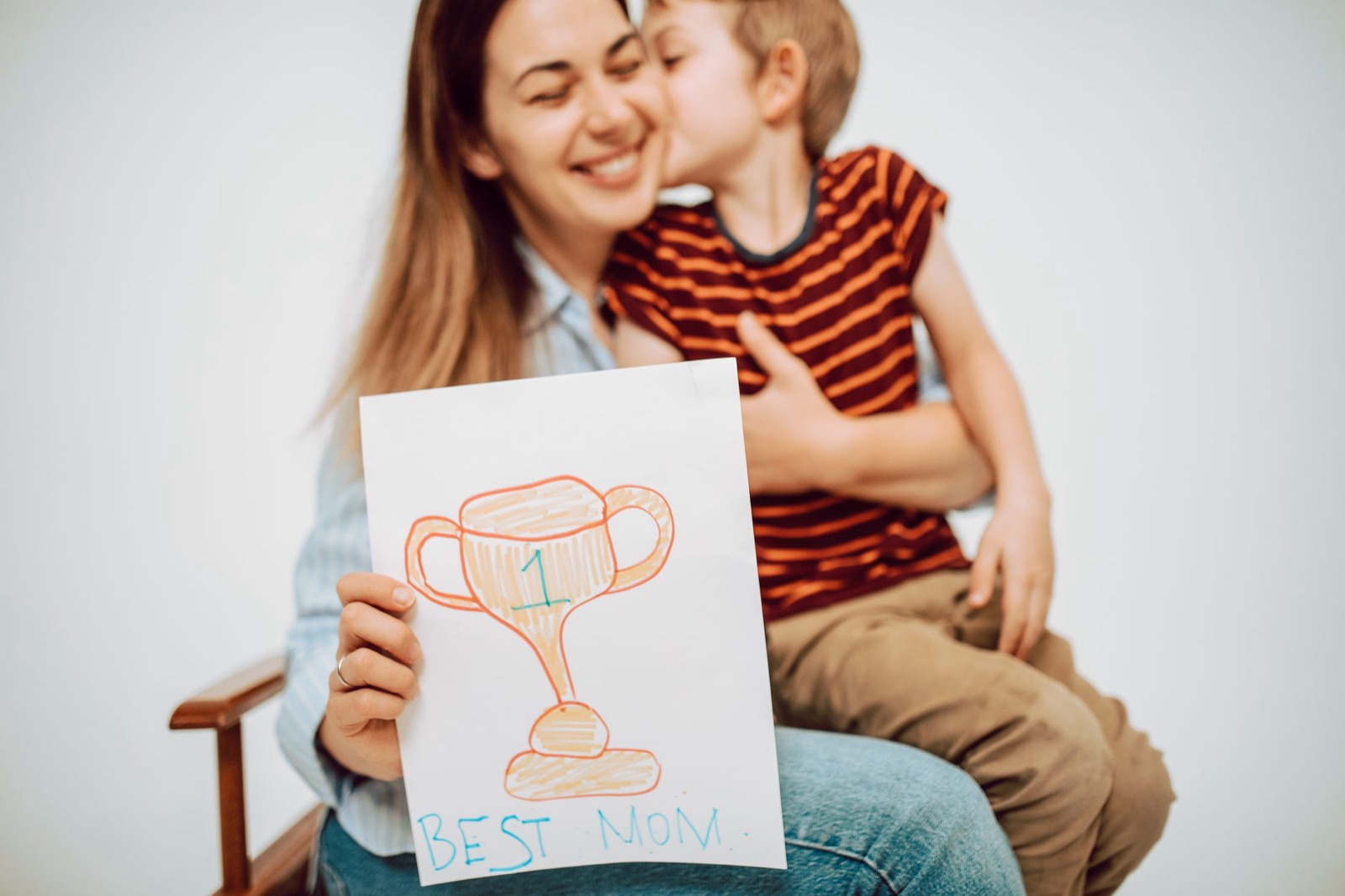
A three-year-old is mostly interested in the doing, and has very little attachment to the product. Often the best response is a small, warm, observational one, and sometimes just your presence.
Some things that work:
- "Whoosh! That line went all the way across."
- "Look at all the red you made."
- "Round and round and round. Your arm was busy."
- "Can I hear about it?" (and then genuinely accept a shrug)
If your three-year-old names the scribble, take the name at face value. "A dragon! Does he have a name?" If they do not name it, do not ask them to. We explain the thinking in what your toddler is really doing with that crayon.
A word of caution at this age: very small children may try to give you the crayon, ask you to draw, or ask what you think it is. You can say "I think it's a very busy picture. What do you think?" and leave it at that.
What it sounds like at six
A six-year-old has started to care about pictures as pictures, as things you make and show. They also often have a story in mind and love to tell it. This is the golden age for questions.
Try:
- "Who is this? What are they doing?"
- "Tell me about the weather in this picture."
- "I notice you gave her a really big smile. What's she happy about?"
- "How did you do the hair? It looks like it's blowing."
- "What is going to happen on the next page?"
You will notice that none of these asks whether the picture is "right". At six, many children have also begun to say "it's not very good", and you will want to respond to that too. Resist "yes it is!" and try "I like it. What bit would you change, if you wanted to?" That makes the child the judge of their own work, which is where they will end up anyway.
If you hear "I can't draw" more often, it may help to read our piece on when your child says "I can't draw".
What it sounds like at nine
Nine-year-olds can be touchy. They have often developed strong opinions about what a good drawing is, and they can smell flattery from across the room.
At this age, the useful praise is specific and technical, because older children appreciate being treated as craftspeople:
- "The way you did the shadow under the table makes it look solid."
- "That's a clever way of showing the horse running."
- "I can tell you spent a long time on the eyes. They're what I look at first."
- "That is the third time you've redone the hand. That's what artists do."
And honest questions, such as "What are you most pleased with?" and "What was hardest?" invite them to talk shop.
Beware of one thing: at nine, an unsolicited correction can feel like an attack. "The legs are too short" will not land as help. If your child wants tips, they will ask. Until then, be an audience. If you want to know more about how this age tends to draw, our overview of child art development covers the push toward realism.
Three things to leave out
We would drop these completely, with the caveat that we have all slipped.
Comparisons. "Better than your sister's" and "the best in the class" turn a drawing into a contest. The child learns that someone else's success is a threat, and that their own worth depends on rank.
Guesses. "Is that a cat?" can sting if it is a dog. If you do not know, say so: "I can't quite tell what it is. Will you tell me?" Children can usually take this in stride, because they know a picture can be hard to read.
Corrections disguised as questions. "Don't you think the sun should be yellow?" is a verdict in a trench coat. If you wish to make a suggestion, make it as a suggestion, and only if invited.
Honest is better than enthusiastic
You do not have to love every drawing. Some are scribbled in ninety seconds to get out of the room, and it is fine to treat them as such.
When a picture really does not move you, find something that is true and stick to it. "You were fast with that one." "The colours are bold." "I like the dog's tail." If nothing comes to mind, "thanks for showing me" is a perfectly good reply.
Honesty matters because children learn to trust your reactions. When you say "this one is special," they can tell that you mean it, because you do not say it about everything. A smaller amount of better praise beats a lot of general praise.
When the child asks "Is it good?"
Sooner or later, they will ask straight out, and you will feel the pressure of it. A flat "yes" feels like a dodge, and a flat "no" is unthinkable.
A reply that has worked for a lot of families is to answer the question underneath. "Is it good?" very often means "do you like it?" or "are you still on my side?" So you can say: "I like it, especially the tail. Do you like it?" Often the child then tells you what they were really worried about, such as the wonky wheel or the colour that ran.
If the answer is "no, it's terrible", the earlier advice about what to say when a child says they cannot draw will help. The short version is to acknowledge the feeling and then offer a choice between fixing it, leaving it and starting again.
Getting other adults on the same page
It is easy to get this right at home and then watch a well-meaning grandparent undo it in a sentence. "What a clever girl, so neat!" is kind and also slightly beside the point, because it praises neatness and cleverness, not the choices or the effort.
You do not need to give anybody a lecture. One easy way to share the approach is to hand them a question to ask. "Next time she shows you a picture, ask her what the bit in the corner is." Relatives are generally delighted to have something specific to say, and it turns out to be a better conversation than the one they were already having. If you have family far away, a drawing sent in the post or photographed for a video call works the same way, and we have ideas in drawing together across distance.
What to do with the finished drawing
How you treat the object says as much as what you say.
- Put it somewhere visible, at the child's eye level, not just yours. A fridge door, a string of pegs, a pinboard.
- Let them pick what goes up. Their choice tells you what they are proud of, which is often not what you would pick.
- Write what they tell you on the back or in the corner in pencil, with the date. Their words are part of the art.
- Rotate the display now and then, so the wall stays alive. We cover what to do with the overflow in keeping and thinning out kids' artwork.
- Do not edit. Resist adding a title in your handwriting across the front. If a name is needed, ask the artist to write it.
One of the nicest side effects of better praise is that it opens conversations. A question about a drawing is one of the easiest doors into a child's day. If the question works, it can lead to stories, jokes, worries and half-formed ideas, which is more or less what you were hoping for when you asked.
We have gathered a longer set of options in 20 questions to ask about your child's drawing instead of "what is it?", sorted by what you want to find out.
Practise it tonight
The next drawing that lands in your hand, hold it for ten seconds before saying a word. Find one thing you really see. Say that thing out loud, and add one question. That is all.
If you slip into "it's beautiful", do not stress. Add "and tell me about the purple bit." It is never too late to make it specific.
Common questions
How should I praise my child's drawing?
Describe what you actually see and ask about it, for example "you used a lot of green here, tell me about this part." Specific comments and honest curiosity tell a child you looked closely, which means far more than a general compliment.
Is it bad to say "good job" about a drawing?
It is not harmful in small doses, but it tells the child very little. It also puts you in the role of judge, which can make some children draw to please you. Mixing in specifics and questions works better.
What should I say if the drawing is not very good?
You do not have to give a grade. Pick something true that you notice (the colours, the effort, a funny detail) and ask a question. Honest interest beats forced enthusiasm.
Should I correct mistakes in my child's drawing?
Early on, we would leave them alone. Mistakes are often not mistakes at all, and correcting them can make drawing feel like a test. If an older child asks for help, then offer it, and let them stay in charge.
How do I encourage creativity in children through their art?
Offer time, materials and your company, ask open questions, and leave the results alone. Praising choices and ideas (not just neatness) tells children that thinking is the valuable part.
What do I say to a child who wants me to say it is the best?
Be warm without lying: "I really love how much happened in this one" or "this is my favourite part." Children usually know when praise is hollow, and honest enthusiasm lands better than a ranking.
Keep reading
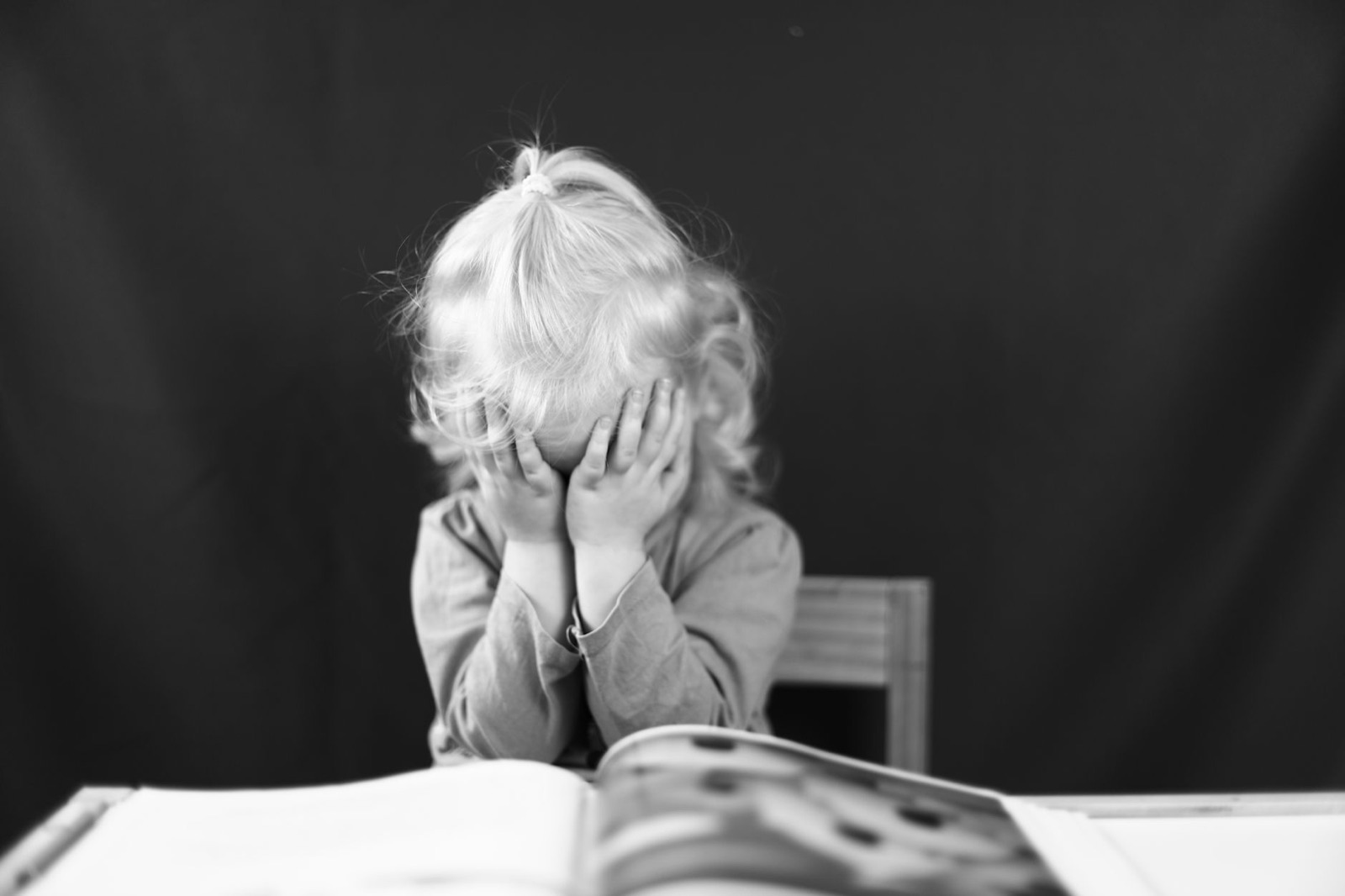
When your child says "I can't draw"
The sentence that stops a happy drawer in their tracks. Why it shows up, what to say that actually helps, and a few tricks that take the pressure off realism.
8 min read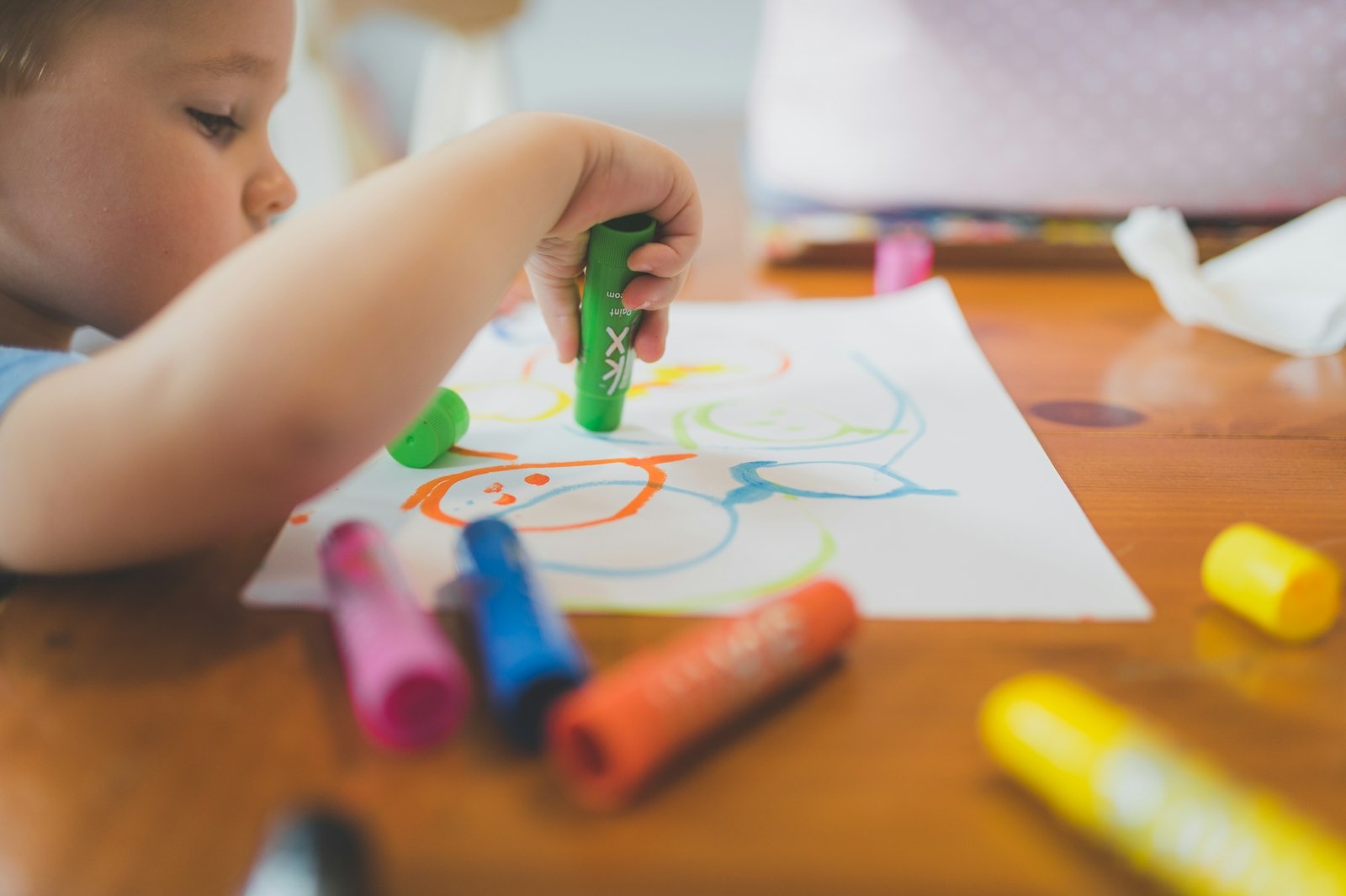
The toddler scribble stage: what your child is really doing with that crayon
Disordered, controlled, then named. What a toddler's scribbles are actually doing, which tools are safe, and how to survive the walls.
9 min read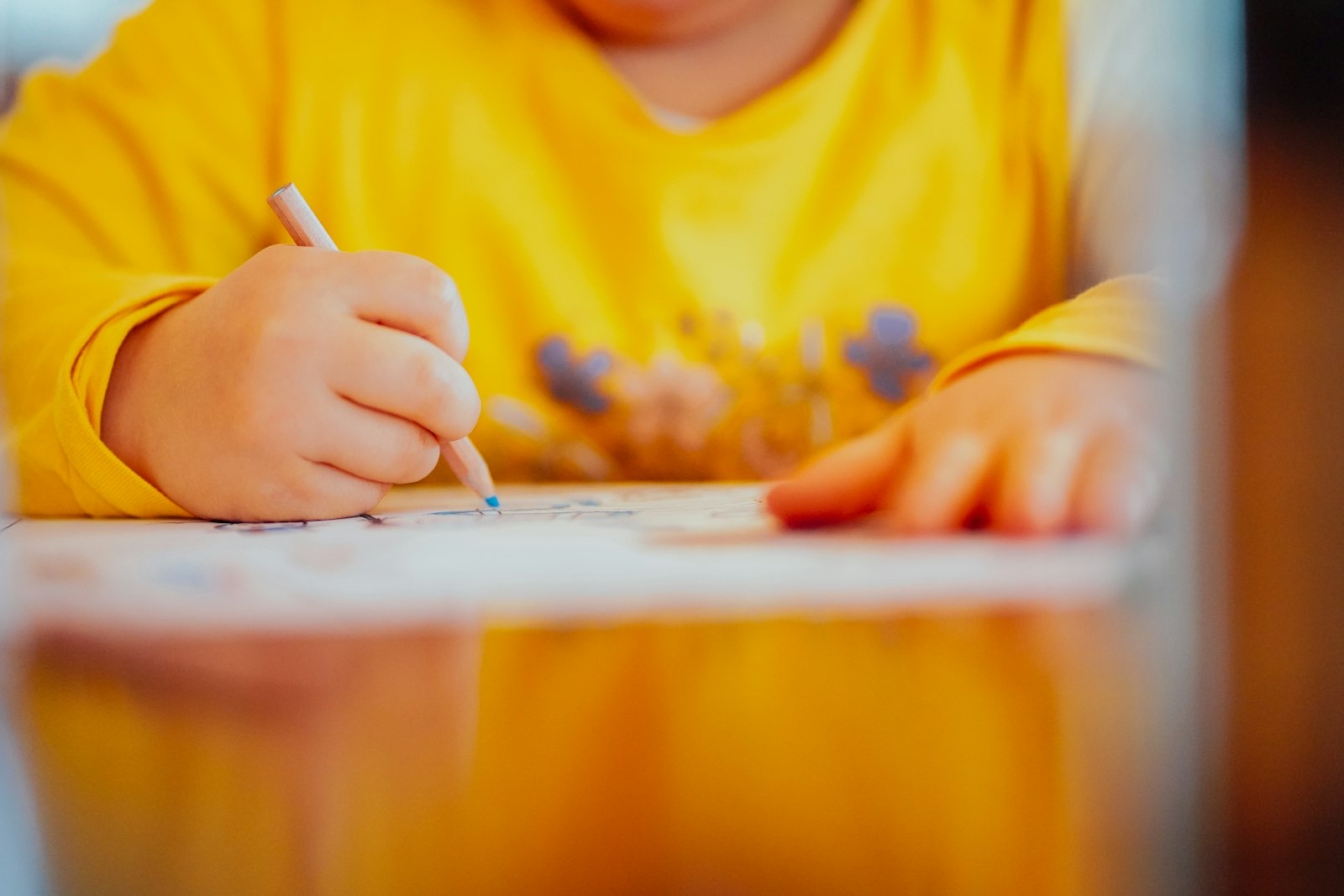
Stages of child art development, from first marks to realistic drawing
Scribbles, symbols, schemas and the wobbly leap toward realism. A rough map of how children's drawing changes, and what you can safely ignore.
9 min read