Beyond crayons: drawing materials for kids and what each is good for
By the Scribblie team · Published · 9 min read
In this guide
- Start with the paper
- Crayons: the right tool for the young and the loud
- Oil pastels: the surprising favourite
- Coloured pencils: for detail, patience and older children
- Markers: bold, fun, and the biggest source of regret
- Chalk: the outdoor material
- Watercolour pencils: a bridge between drawing and painting
- Washable, non-toxic and what the labels really say
- Budget picks by type
- What we would buy this week
- Common questions
Most children do not need more art supplies. They need the right three or four, within reach, in a state where the colours actually work. If you are going to buy something, buy what suits what they like to do: crayons for big bright scribbling, pencils for detail, markers for punch, chalk for outdoors.
Below is an opinion on each main material: what it does well, where it lets you down, and what to look for. We have written by type, not by brand, because the best choice is rarely the most famous one, and because prices and ranges change faster than any guide.
Start with the paper
Cheap, thin paper is the most common reason a child gets frustrated. Markers bleed through it, pencils tear it, and erasing makes a hole.
For most drawing, ordinary printer paper is perfectly good and cheap. For markers, thicker paper stops the bleed. For pastels and chalk, paper with a little texture holds the colour. For watercolour pencils, you want heavier paper that will survive a wet brush.
Buy a ream of plain printer paper, and one pad of heavier cartridge paper for special things. Keep a pile of scrap paper for everyday use, so nobody is afraid to waste a sheet. Fear of wasting paper kills more drawings than any lack of talent.
Crayons: the right tool for the young and the loud
Crayons are the first material for good reasons. They are cheap, hard to break, and have no drying time. A fat crayon is easy to grip for a hand that is still learning, and the colour goes on thickly with little pressure.
What they are good for: big colouring, texture rubbings, wax-resist tricks where you draw in crayon and paint over it with watery paint, and children under about five.
What they are bad at: detail, and heat. Left in a hot car or a sunny window, crayons soften or melt. And very cheap ones are waxy and pale. A child who presses hard and gets a faint line will decide drawing is boring.
What we would buy: a box of chunky crayons for a small child, in a limited range of strong colours. Eight to twelve is plenty. Peel the paper partway down, or buy the kind with no paper, so the side of the crayon can be used for broad strokes. Pay slightly more for ones with a rich colour. They are worth it.
Oil pastels: the surprising favourite
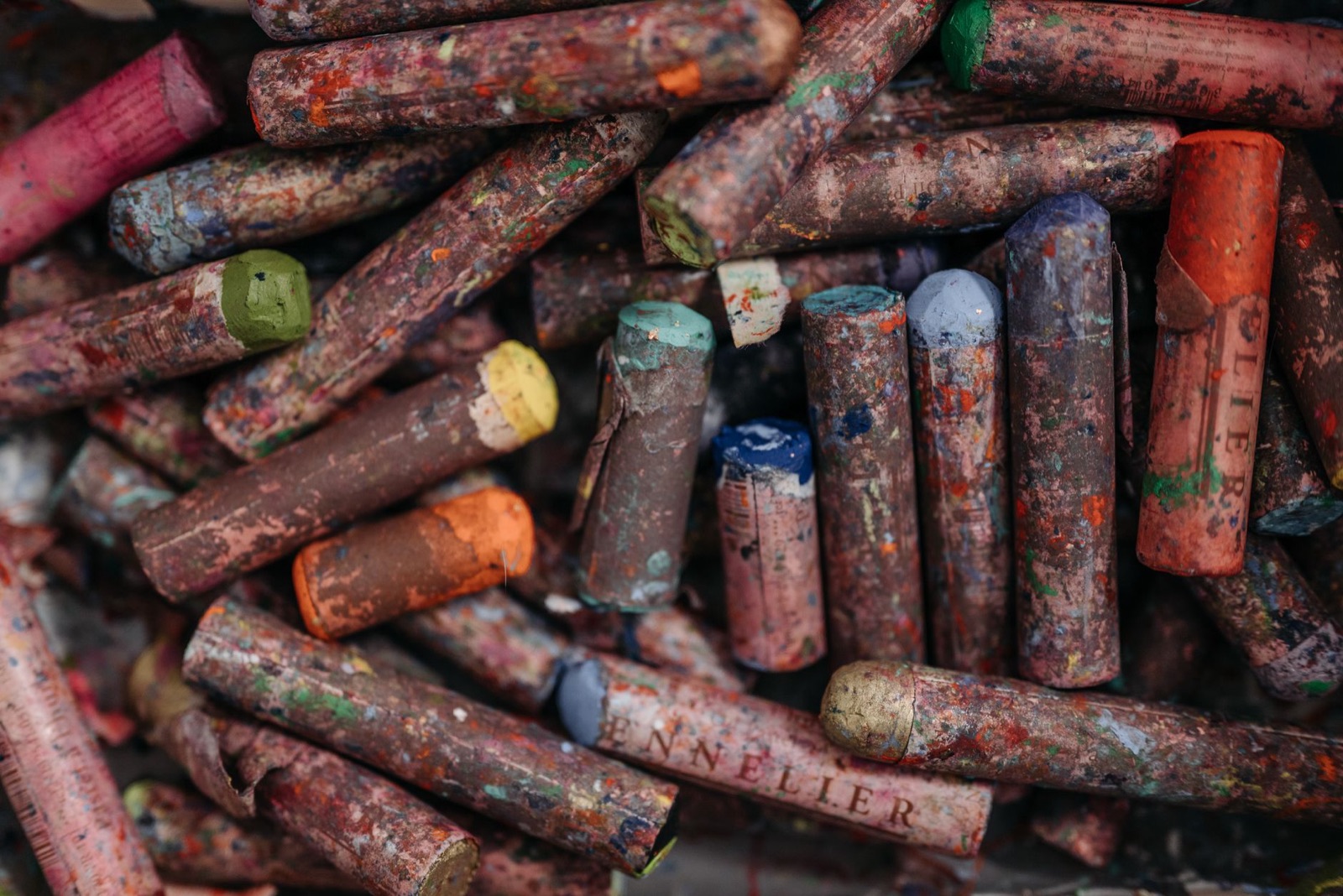
Oil pastels look like crayons that have been to art school. They are soft, vivid and blendable, and a child who is bored by crayons will often be thrilled by them. The colours smear into one another, and you can draw with the side of the stick or scratch back into a layer with a pin or a blunt tool.
What they are good for: bold, painterly pictures, sunsets, animals with fur, anything where colour matters more than line. They suit children from about six, though younger children can enjoy them with a grown-up nearby.
What they are bad at: mess. They stain fingers, sleeves and tables, and the stains are hard to shift. They also snap if you press hard, and the pieces end up trodden into the carpet. Cheap ones can be greasy and smeary without being very colourful.
Practical points: put newspaper under the work, keep wet wipes close, and have a rag for the fingers. Do not use them on a surface you care about. A sheet of kitchen paper tucked under the hand stops the smudging of a half-finished drawing.
If you want one step beyond crayons, this is the one we would pick. It gives the biggest jump in how a drawing looks, and costs little.
Coloured pencils: for detail, patience and older children
Coloured pencils are the best material for control. A child who wants to draw the stripes on a tiger, or the spots on a ladybird, needs a pencil. They can also be layered, so that two colours make a third.
What they are good for: detail, shading, careful colouring, and drawing outdoors, since they do not leak. They suit children from about five, if the pencils are chunky and the child is willing to spend time.
What they are bad at: speed. Filling a large area with pencil takes a long time, and a child who is impatient will find it dull. Cheap pencils with hard, pale leads need too much pressure and break easily, which is a miserable combination.
What to look for: a soft lead that gives colour with a light touch, a thick barrel for small hands, and leads that do not snap when you sharpen them. Triangular barrels are easier for young children to hold. For a first set, twelve colours is enough, and twenty-four is generous. Left-handed children often smudge pencil and marker lines as their hand drags across the page, and our guide to left-handed kids and drawing has setups that help. A good sharpener matters as much as the pencils, and a dull sharpener turns a good pencil into a bad one.
Plain graphite pencils are underrated. A soft one (a B or 2B) is a lovely thing to draw with, and a child who has only ever used colour may enjoy the novelty of a grey line. If you are looking at the full picture of what to buy, our art supplies starter kit lays out a minimal set.
Markers: bold, fun, and the biggest source of regret
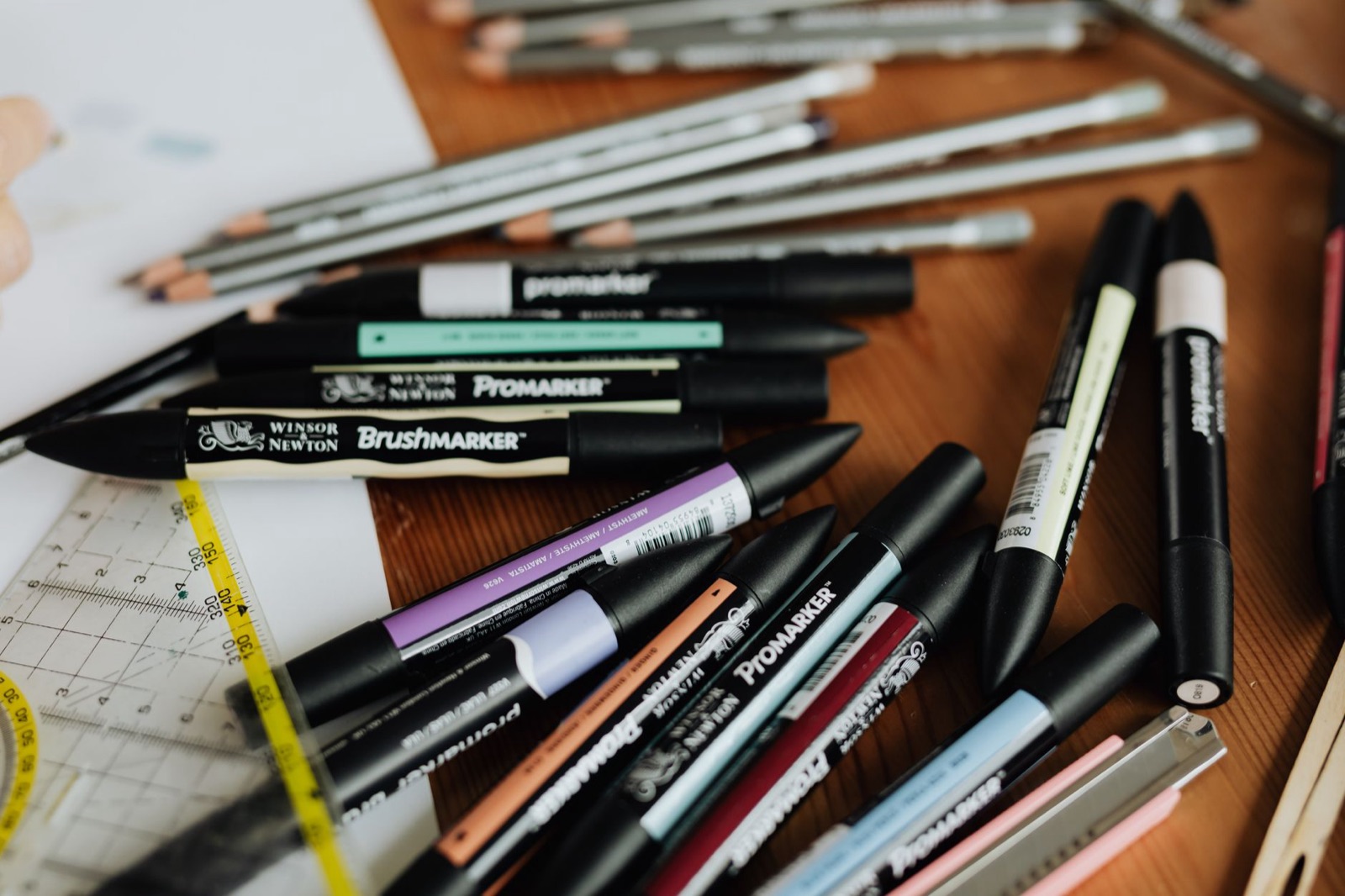
Markers are the material most children ask for, and the one adults most often regret. They give instant, bright, confident colour. They also bleed through paper, dry out when the cap is left off, and leave stains where they should not.
What they are good for: bold outlines, bright posters, lettering, and the feeling of having made something that looks finished. Children of all ages enjoy them, and older children use them for comics and detailed line work.
What they are bad at: being forgiving. You cannot rub out a marker line. A child who is a perfectionist may hate that. Some also have strong smells, and these are better used in a ventilated space.
Washable markers are the sensible choice for younger children. Washable usually means that the ink comes out of skin and many fabrics with water, but the word is a hope, not a guarantee. Colour can linger on some surfaces, especially if left to dry. Test a small corner, and wipe up quickly.
Two practical tips. Insist on caps going back on, with an audible click, and store markers lying flat, so the ink spreads evenly. A dried-out marker is a sad thing, but it can still draw dry, scratchy textures, which many children like.
Avoid permanent markers around young children, and use them only with supervision and good ventilation. Check the label and keep them away from small hands that put things in mouths.
Chalk: the outdoor material
Chalk is wonderful and limited. It is also a good first material, and our easy drawing ideas for 3 to 5 year olds has more for very little ones. On a pavement or a paved yard, it lets a child draw at huge scale, with their whole body. It washes away with rain, so there is no commitment.
What it is good for: games, hopscotch, giant pictures, roads for toy cars, and the joy of drawing something bigger than yourself. It is excellent for young children, whose large arm movements suit the scale.
What it is bad at: indoors. Chalk dust is messy, and some children find it makes their hands dry. It is also tricky to use in places where people may object to drawing on the ground. Always check that you are allowed.
A blackboard or a chalkboard sheet works for indoor use. Choose dustless chalk if dust is a problem for someone in the household, and wash hands afterwards. Keep chalk out of mouths, and supervise very young children.
Watercolour pencils: a bridge between drawing and painting
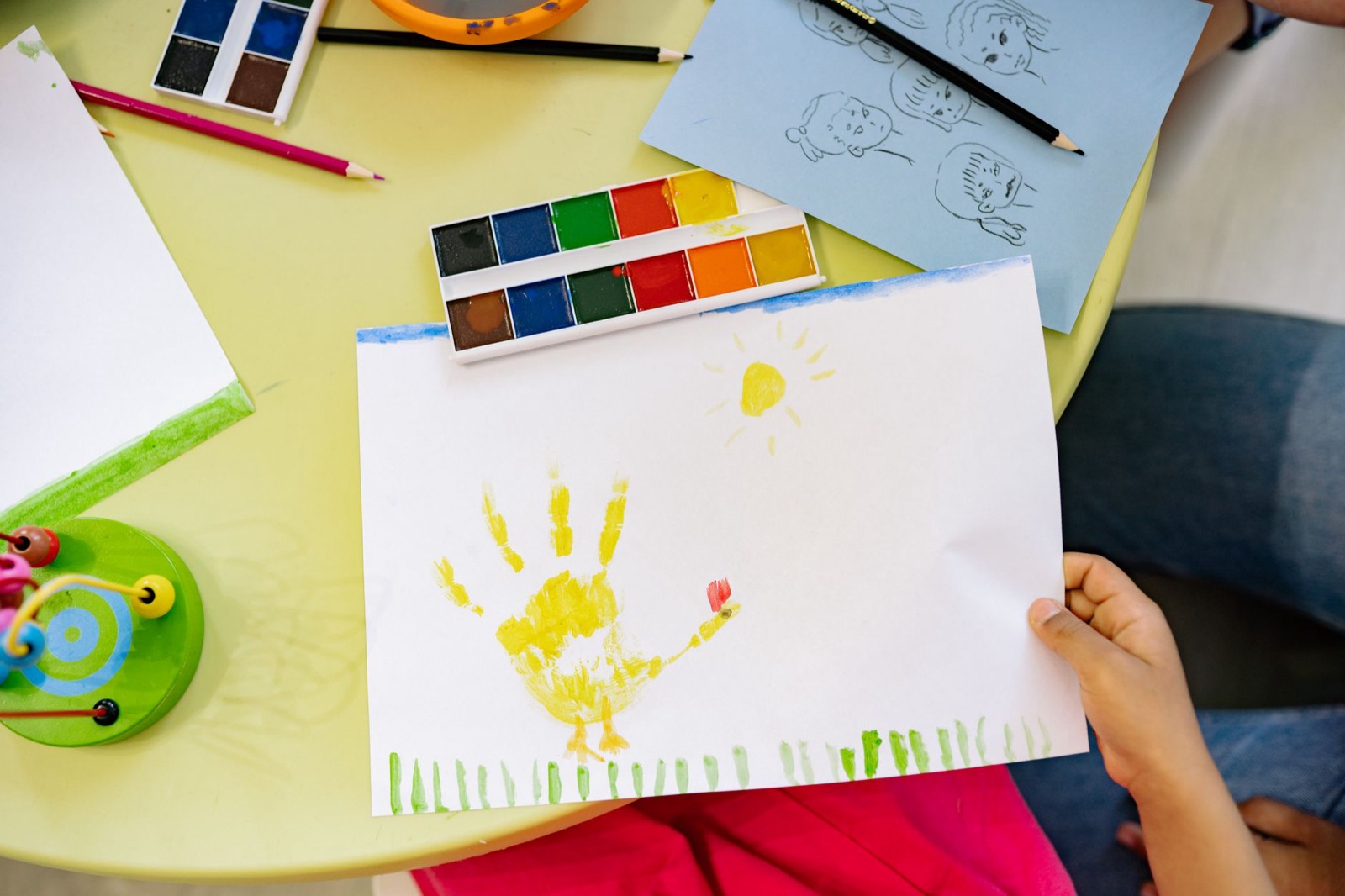
Watercolour pencils are coloured pencils that dissolve when you add water. You draw as usual, then go over the drawing with a wet brush, and the lines soften into washes of colour. It feels a bit like magic, and it is a good step for children who want to try painting without the mess of a full paint set.
What they are good for: skies, water, backgrounds, and any drawing that would benefit from a soft finish. They suit children of about seven and over, who have the patience to work in two stages and a steady enough hand with a brush.
What they are bad at: being cheap and being forgiving. Good ones cost more than ordinary pencils, and cheap ones are often pale and patchy when wet. They also need heavier paper, because thin paper wrinkles when it is wet.
How to use them with a child: draw lightly, and then paint over a small area at a time. Show them how a dry pencil stroke looks different from a wet one. Leave the page to dry flat. If you have only one set, keep it for something special, so it does not get worn down in the first week.
Washable, non-toxic and what the labels really say
"Washable" describes how easily a product comes off skin and some fabrics. It does not mean it will come off every surface. Test before trusting, especially on furniture, carpets and clothes you like.
"Non-toxic" and age labels are what you should look for on any product a young child will use. Read the age guidance on the packaging, and follow it. If a product says it is not suitable for children under a certain age, that is usually because of small parts, dust or other hazards. Labelling rules differ by country and change over time, so check what applies where you live.
Supervision matters more than any label. A young child who puts things in their mouth should only use materials with a grown-up near, whatever the packaging says.
Budget picks by type
If you are buying on a tight budget, here is where we would spend and where we would save.
Spend on pencils and oil pastels. The difference between a good one and a poor one is large, and a good one makes a child want to draw. Spend on paper that suits the material, within reason.
Save on crayons, which are mostly fine even when cheap, and on markers, where a basic washable set does the job. Save by buying small sets and adding single colours when a child needs them, rather than a giant set with forty colours that never gets used.
Do not spend on special "kits" in a case unless you know your child will use every part. A case of fifty items looks wonderful and often ends up in a cupboard, with five items worn out and forty-five untouched.
And look around the house. A cardboard box, a sponge, the back of a calendar and a white crayon for wax resist cost very little. For more ideas that cost nothing, our guide to nature art projects uses mud and leaves.
What we would buy this week
If you can buy only one thing, make it a small box of oil pastels or a set of soft coloured pencils, depending on your child's age and temperament. If you can buy two, add a pad of decent paper.
If your child's drawings pile up faster than you can cope with, our guide to keeping and storing kids' artwork is a useful next read, because oil pastel in particular smudges in a folder.
Then leave them out where your child will find them, and do not say a word.
Common questions
What are the best art supplies for kids drawing?
A set of chunky crayons, a box of coloured pencils, and a pack of washable markers will cover most of what a child wants. Add oil pastels or chalk when they ask for something bolder. Quality matters more than quantity, and a small set of good tools beats a large set of poor ones.
What are the best coloring markers for kids?
For young children, washable broad-tip markers with caps that stay on and tips that do not fray. For older children, markers with a fine tip and a brush tip. We would choose by type and washability and not worry about brand. Test one on scrap paper before you commit to a whole set.
What are the best coloring pencils for kids?
Pencils with soft, strong leads that give colour without pressing hard, and a thick barrel for small hands. For young children, triangular or fat pencils are easier to grip. Avoid very hard, pale leads, which frustrate children who give up when the colour will not appear.
Is washable really washable?
Usually from skin and many fabrics, but not always from every surface, and it can vary with how long a stain sits. Treat the label as a hope, not a promise, and test on an inconspicuous corner. Wipe up quickly.
Are art supplies for kids safe?
Look for products labelled as non-toxic and suitable for the child's age, and read the label for age warnings. Keep small items away from children who still mouth things, and supervise anything with paint, dust or small parts. Check current labelling in your country.
Do I need expensive supplies for a young child?
No. For a child under five, paper and a few chunky crayons matter more than any special set. Spend a little more when a child shows lasting interest and complains that the tool is getting in the way.
Keep reading
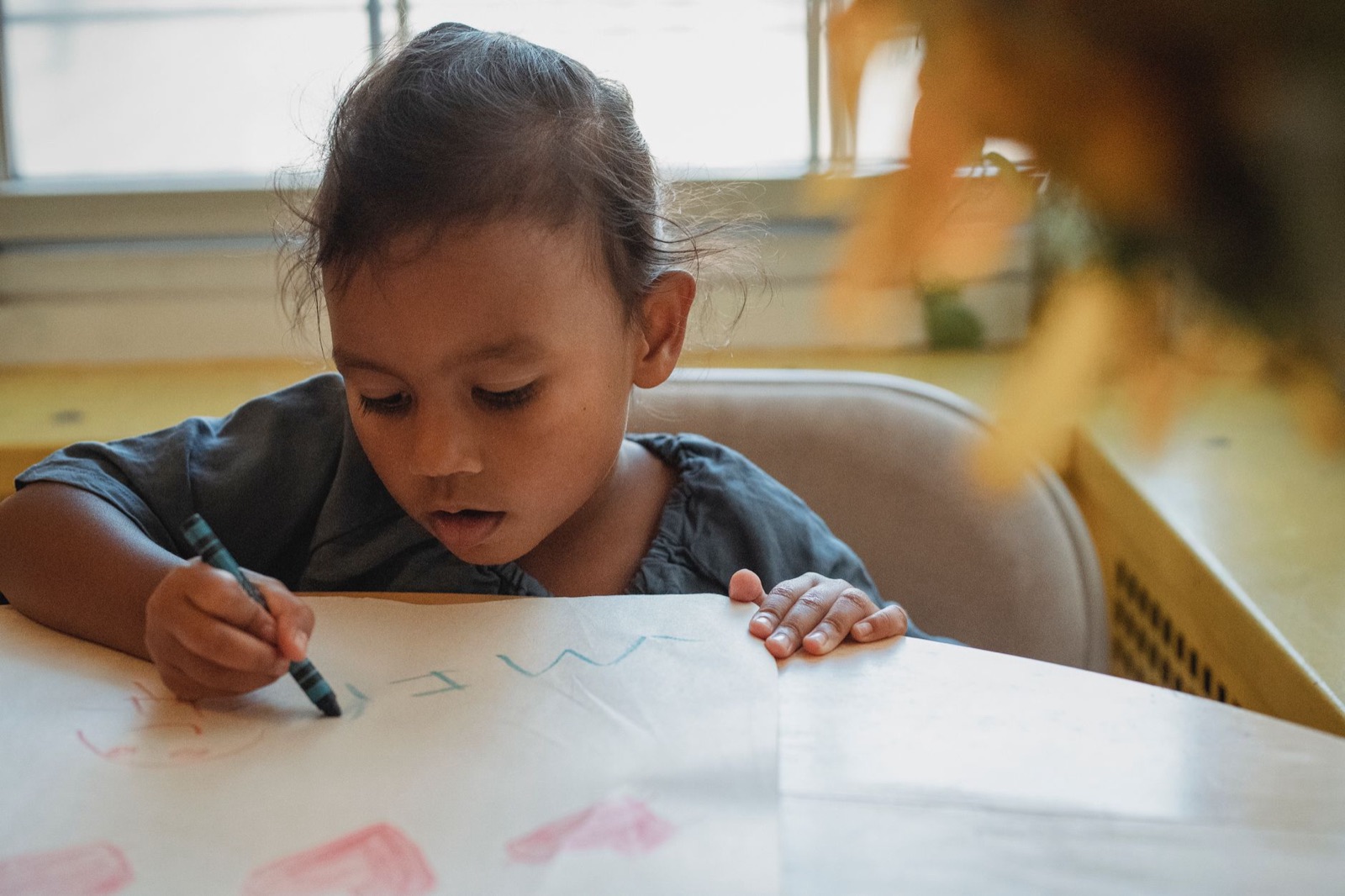
Easy drawing ideas for 3 to 5 year olds that need almost no setup
Drawing activities for little kids at home that start in under a minute, with notes on what to say, what to skip and when to stop.
9 min read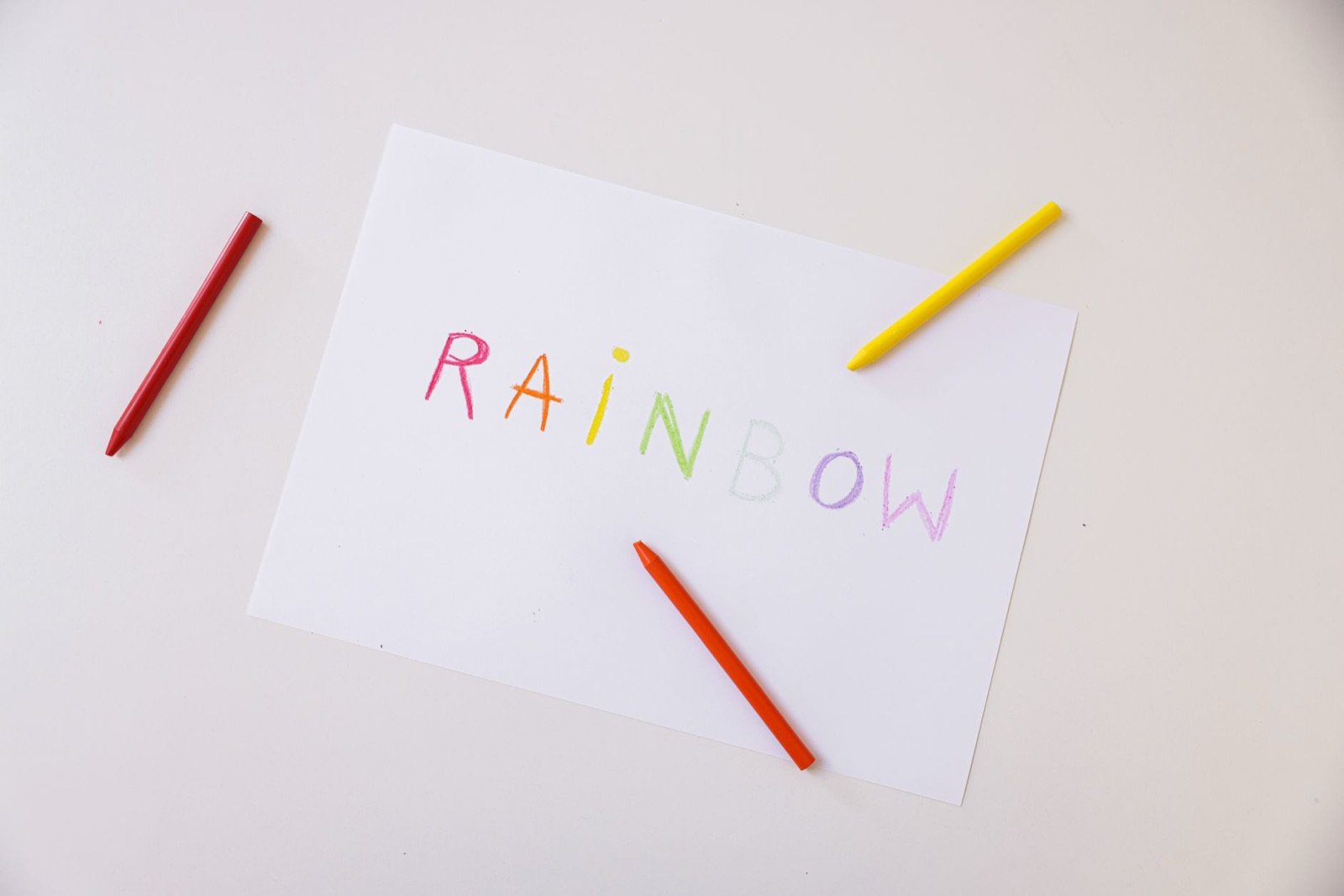
Nature art projects for kids using leaves, stones and mud
Leaf rubbings, stone faces, mud paint and stick frames, with notes on what to collect, what to leave alone and where each project goes wrong.
9 min read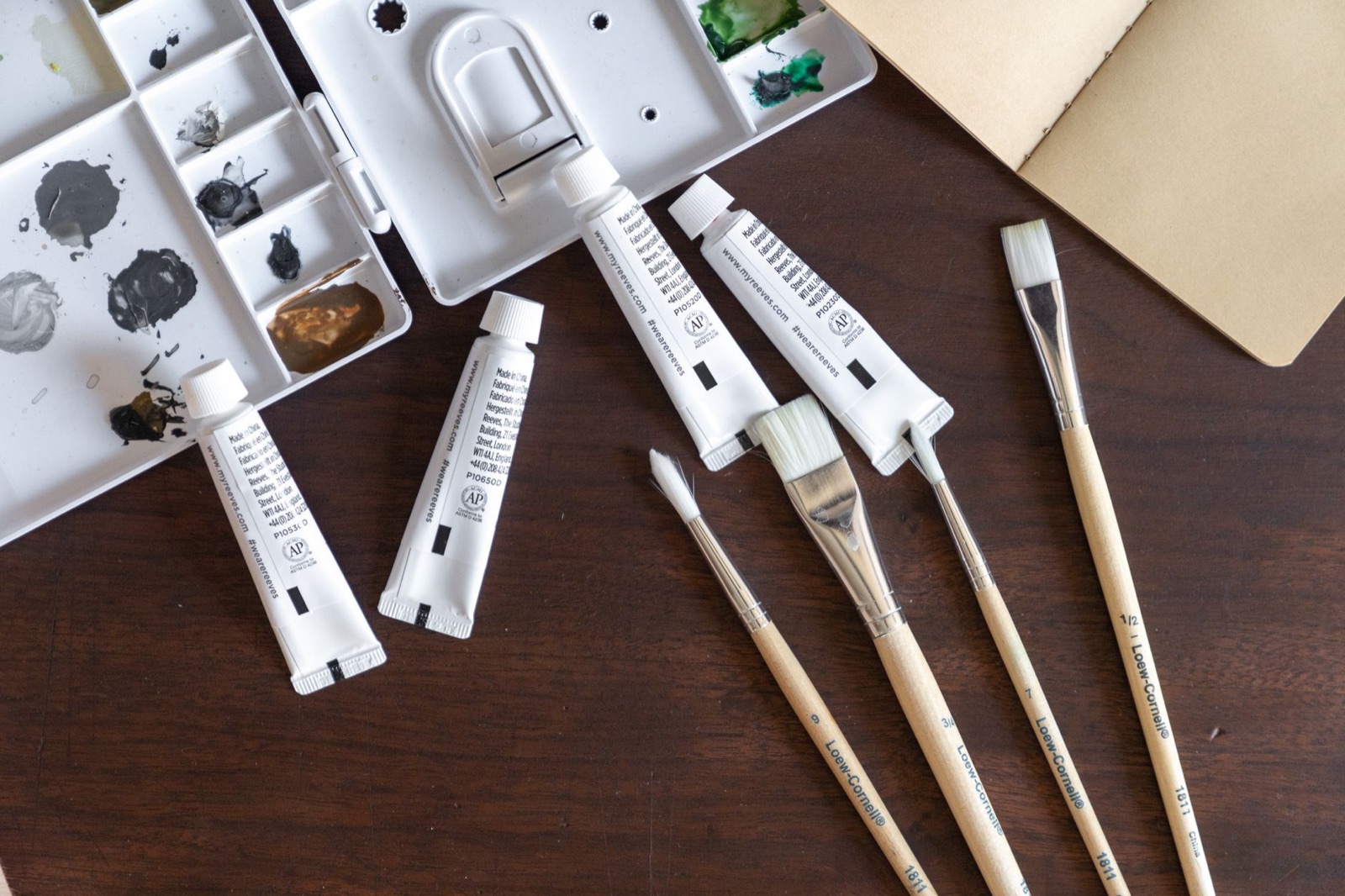
Art Supplies for Kids: A Starter Kit Under ₹2000 or $25
A starter art kit in order of priority, with what to skip, what to look for on the label, and a way to store it so the supplies actually get used.
8 min read