Kids naming characters: why you should always ask what their drawing is called
By the Scribblie team · Published · 8 min read
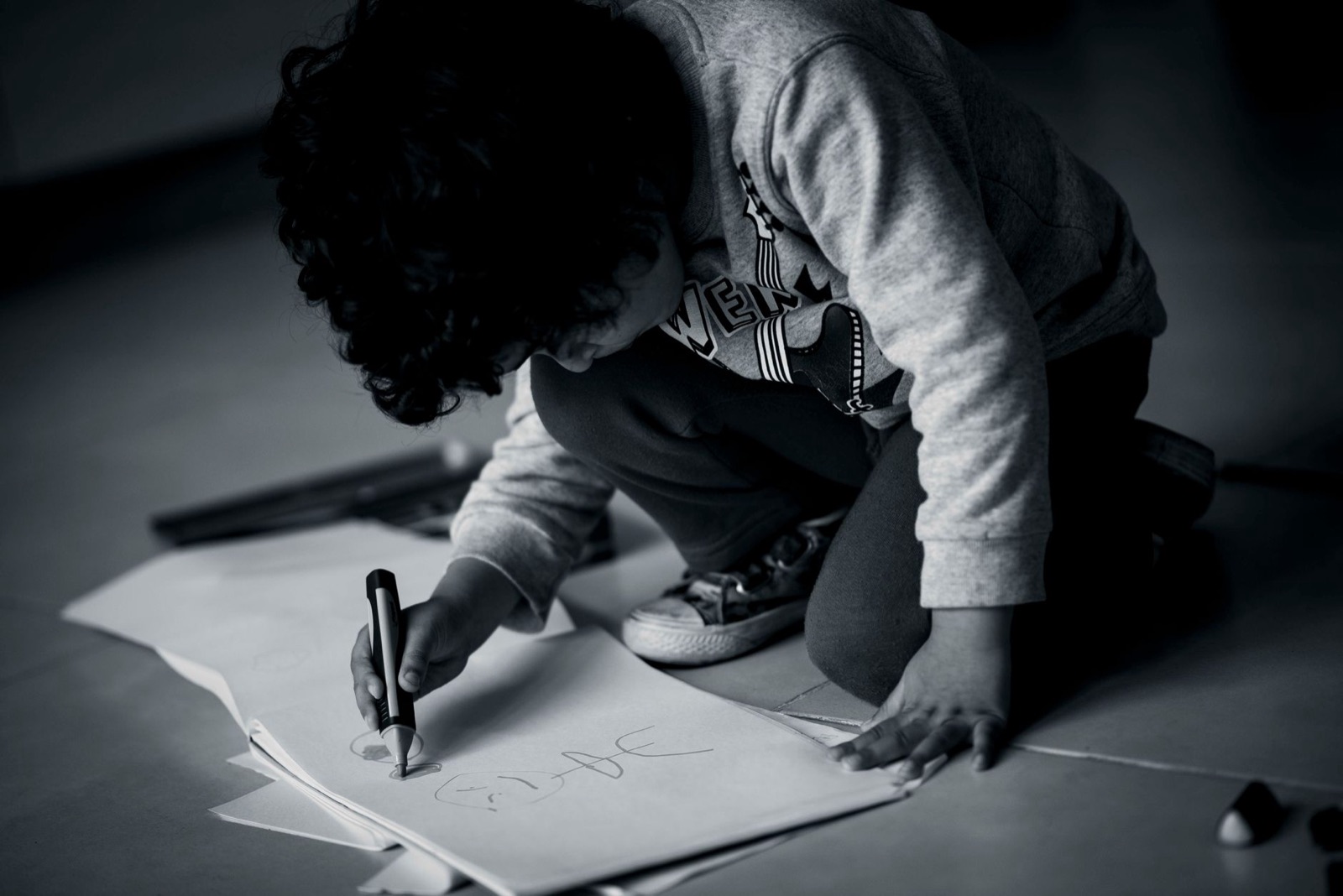
In this guide
Ask. That is the entire advice, and it is the one most adults forget. When a child hands you a drawing of a round green something with seven legs, the pull to say "Oh, a spider!" is strong. Don't. Try "Does it have a name?" instead. The answer will probably be better than anything you would have guessed, and it will tell your child that you think the thing they made is someone, not something.
The moment you get it wrong
Most of us have done this. A child holds up a picture, we say "What a lovely cat!" and a small voice says, "It's a bus."
It is not a tragedy. But it is a tiny deflation, and children remember them more than we think. They also take it as a hint about how drawings are supposed to work: they should look like what they are, and the grown-up is the judge.
Asking the name flips that. You are admitting you do not know, which is true, and you are showing that you are interested. It is also a question that no child can get wrong.
A sample of how children actually name things
We are not going to quote real children, because we would be inventing them. But these are the sorts of patterns many parents and teachers will recognise, described in general and illustrative terms.
Sound-first names. Splonk. Mibbly. Doo-Doo-Bear. The name is often a noise first and a word second. It may change by the afternoon.
Food names. Mr Toast, Banana, Lady Samosa, Pickle. Children name things after what they are thinking about, and what they are thinking about is often lunch.
Borrowed names. A cousin, a pet, a character from a book. The drawing may be called "Ravi" because there is a Ravi in the class, and the drawing is not Ravi at all, he is just wearing the name.
Job names. The Fixer, The Big Cloud, Number Three. These tend to turn up when a child has already built a world around the character.
Rule names. "Nothing." "I don't know." "It doesn't have one." Take these at face value.
If you work with children, you will have your own list. Ours is a handful of patterns, not a study, and we would not put any numbers on them.
Why the name matters to them
A name turns a drawing from a made thing into a character. Once there is a name, you can talk about what the character likes, where they live, who they are afraid of. Without one, you are describing marks on paper.
Naming also gives the child authority. The child decides. In a day where almost everything is decided by adults, from bath time to which shoes, being the person who says "this is Splonk" is a nice change.
We would be careful about reading too much into the names. A child who draws a scary-sounding monster named Death Fang is, in all likelihood, enjoying how it sounds. A name alone proves nothing about how a child is feeling. If you ever have a real worry, a conversation with their doctor or teacher is a better place to take it than a drawing.
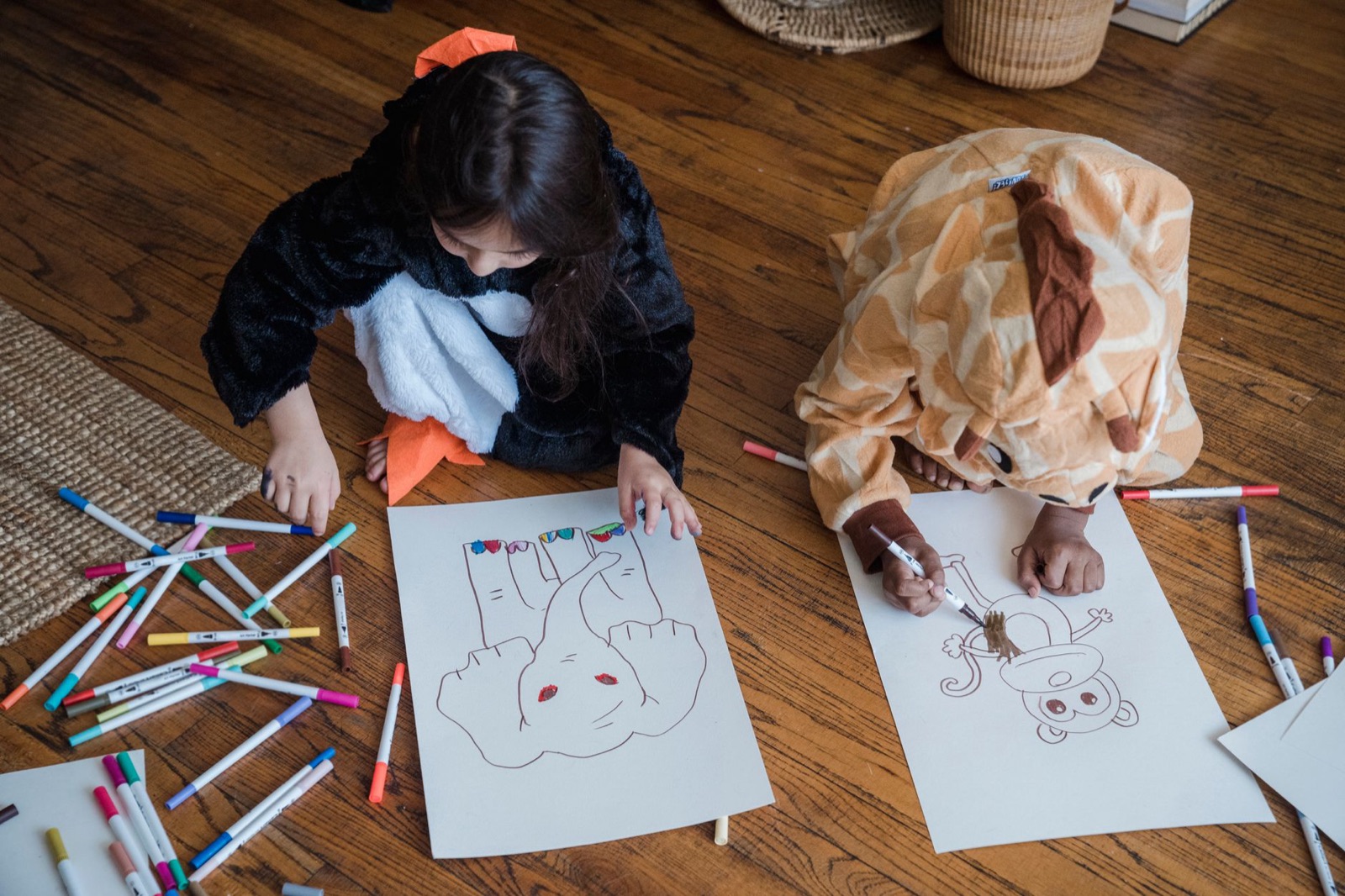
How to ask, and how not to
A few phrasings, ranked from our favourite to our least.
- "Does this one have a name?" Open, easy to decline.
- "Who's this?" Warmer, but assumes it is a person. Fine for most children.
- "Can you introduce me?" Great for slightly bigger kids who like a bit of ceremony.
- "What's it called?" Perfectly fine, a bit flatter.
- "Is that a cat?" We would skip this one. It puts the guess in your mouth.
Then the most important part. When they say the name, repeat it back without comment, even if it is Wobblebum. "Hello, Wobblebum." Say it as a greeting, not a laugh. If you want to know how to respond to the picture as a whole, we have a page on how to praise a child's drawing that goes with this one.
Writing the name on the art
Parents often ask whether they should write on their child's drawing. Our view is yes, with permission and with some care.
Ask the child first. "Shall I write his name on it?" Some children will say yes proudly. Some will say no, because the drawing is finished and they do not want anyone touching it. Respect that. A sticky note on the back or a note in a folder works too.
Write exactly what they said, in their spelling of it if they dictated it. If Splonk was said "Sploonk", you can ask which they prefer. Put the date in a corner in pencil, or on the back, and put your own initial next to your words so future you knows who wrote what.
If your child is learning to write, this is also a lovely moment to invite them to write the name themselves, in whatever form it takes. A wobbly capital S next to a spiky monster is a keepsake in itself. We cover keeping them in how to keep and store kids' artwork.
When the name changes
It will. Mr Toast becomes Captain Toast, then The Toast, then a person who does not like toast.
That is the character growing up, and the child editing in real time. If you have already written a name on the back, add a line beneath it. "Later: Captain Toast." That way you are collecting the history, which is more fun than getting it right.
The same character may also turn up in different drawings, sometimes looking quite unlike itself. If your child draws the same figure again and again, that is perfectly typical and we have more on it in when kids draw the same thing over and over.
Grown-up names versus child names
Adults tend to name things for what they are. A cat is Whiskers, a dragon is Ember. Children name things for how they feel about them. That is why a very gentle drawing may be called Smash, and a fierce one Pudding.
It is easy to hear that as a mismatch and feel a need to tidy it. We would not. If the name and the picture seem to disagree, there is usually a story in the gap, and asking "why Pudding?" is a good way to find it. The answer might be that the dragon smells of pudding. It might be that Pudding is the name of the child's tortoise. It may just be a nice word. All three are acceptable.
Names in families with more than one language
If your home uses more than one language, children often mix them in names, and the results can be splendid. A character called Chhota Bear, or Nani Dragon, is a small act of bilingual invention. Let it be. Do not correct the grammar of a name.
It is also a chance to ask in whichever language your child is in the mood for. Some children prefer to name things in the language of the person they are talking to. Some prefer to switch halfway through. We look at word play across languages in drawing to learn new words, which covers labels and vocabulary games for families who use Hindi, English and others.
What to do with all those names
A pile of drawings with names becomes a cast. After a few weeks you may find the same five characters turning up again and again, and a child who knows exactly how they all relate. This is a good moment to make a "who's who" page. Fold a sheet of paper, ask the child to draw or point to each character, and write the names. It takes ten minutes and often ends up on the wall for a year.
Some families also make a small family tree of characters, with Splonk as the uncle of Mr Toast. This is entirely optional, and children who like it will love it.
If you work in a classroom, naming is a lovely small routine. Children can add names to a class wall of characters, and a quiet child who would not speak in a circle may happily write a name on a sticky label.
Sometimes a name is not given in one go. A child may announce it only after the character has been in three drawings, as if it had to earn it. Others will pass the drawing to a sibling and the sibling will rename it, loudly. You can let that run its course. If the sibling's name wins, you now have a family argument about a drawing, which is a perfectly good sign that the drawing mattered.
There is also the character who has two names, one used at home and one used in the story. Nobody needs to resolve that. Write both, if you are labelling, and move on.
A name can start a game
Once you have a name, you have a way in. A few things you can do with five minutes:
- Ask what Splonk's favourite food is, and what he would never eat.
- Ask where Splonk sleeps.
- Give him a small problem, such as it is raining, and ask what he does.
- Ask who his best friend is. (The answer is sometimes another drawing on the fridge.)
These are the same questions that lead into storytelling, and into the pretend play we describe in pretend-play ideas that grow out of a drawing.
Children of seven, eight or nine can become self-conscious about naming. They may think the name is silly or babyish. A good approach is to be a little silly yourself first. "I name my character after the cheese I had at lunch" will often loosen things up.
Older children also tend to have a long, serious name, with a surname, a home town and a history. Let them have it. It is a sign they are enjoying the world they have made.
A small ritual some families like: a "naming day" once a month, when everything left unnamed on the fridge gets considered. Nobody is forced. Children who want to name something do, and children who prefer to leave it nameless are told that nameless is a fine name too.
Names in a talking-drawing app
We are building an app called Scribblie, which is not yet in the stores. When a child's drawing wakes up in it, the first thing the drawing does is say hello and ask for its name, and the child decides. We chose that on purpose, because it mirrors what a good grown-up does. The friend then uses the name the child chose. Its replies come from AI models and can be imperfect, so we suggest sitting nearby. There is more detail in how Scribblie works.
Try this
Pick one drawing from the fridge that you have never asked about. Say "Does this one have a name?" and then, whatever the answer, say the name back. If the answer is "no", say "That's okay, he can think about it." Write nothing down yet. Just notice what happens to your child's face.
Common questions
Why do kids give characters strange names?
Young children enjoy the sound of words and are still working out which ones belong together, so a name like Splonk or Biscuit Moon feels right to them. Often the sound is the point, not the meaning.
Should I ask my child to name their drawing?
It is a kind, low-pressure question, and many children enjoy it, though some will say "it doesn't have one" and that is fine. Asking "does it have a name?" works better than "what is it?"
Should I write the name on my child's artwork?
Many parents do, in small letters on the back or at the edge, with the date. It is worth asking the child where they would like it, and writing their words as they say them.
What if my child changes the character's name?
It is very common, and it is part of how the character develops. Note the new name, perhaps with a small arrow, and do not point out the change as a mistake.
What if my child won't name their drawing?
Not every drawing needs a name, and some children use their pictures as a way of making patterns. Let it be, and try asking about the colours or what the character likes instead.
Is it okay to suggest a name if my child is stuck?
A light offer is fine if the child seems to want help, but offer two or three silly options and let them say no. If they pick their own, even better.
Keep reading
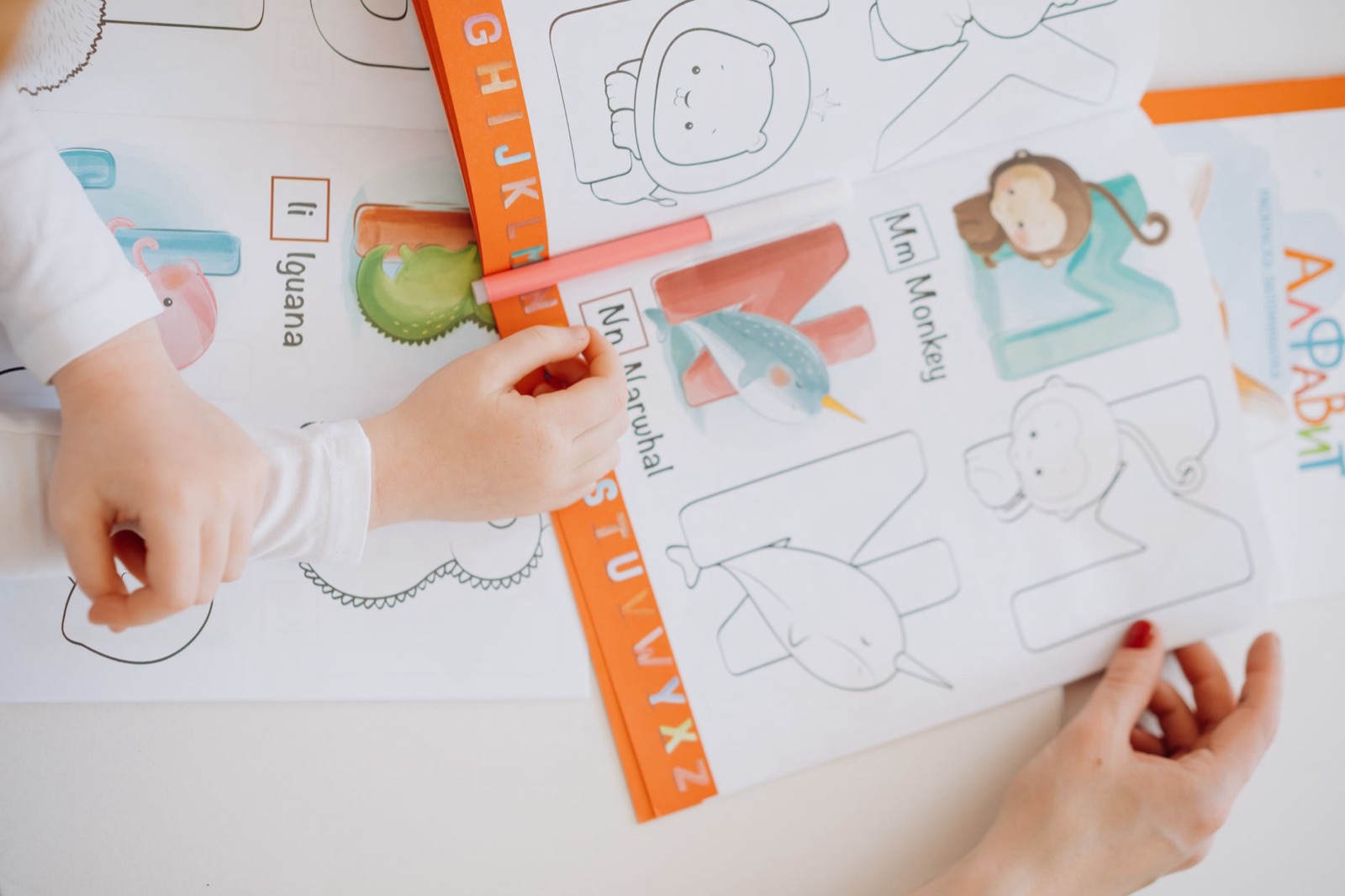
Drawing to learn new words: simple vocabulary games for early readers
Pencil, paper and a handful of words. Eight low-prep vocabulary games for early readers, plus how to make them work for families who speak more than one language.
9 min read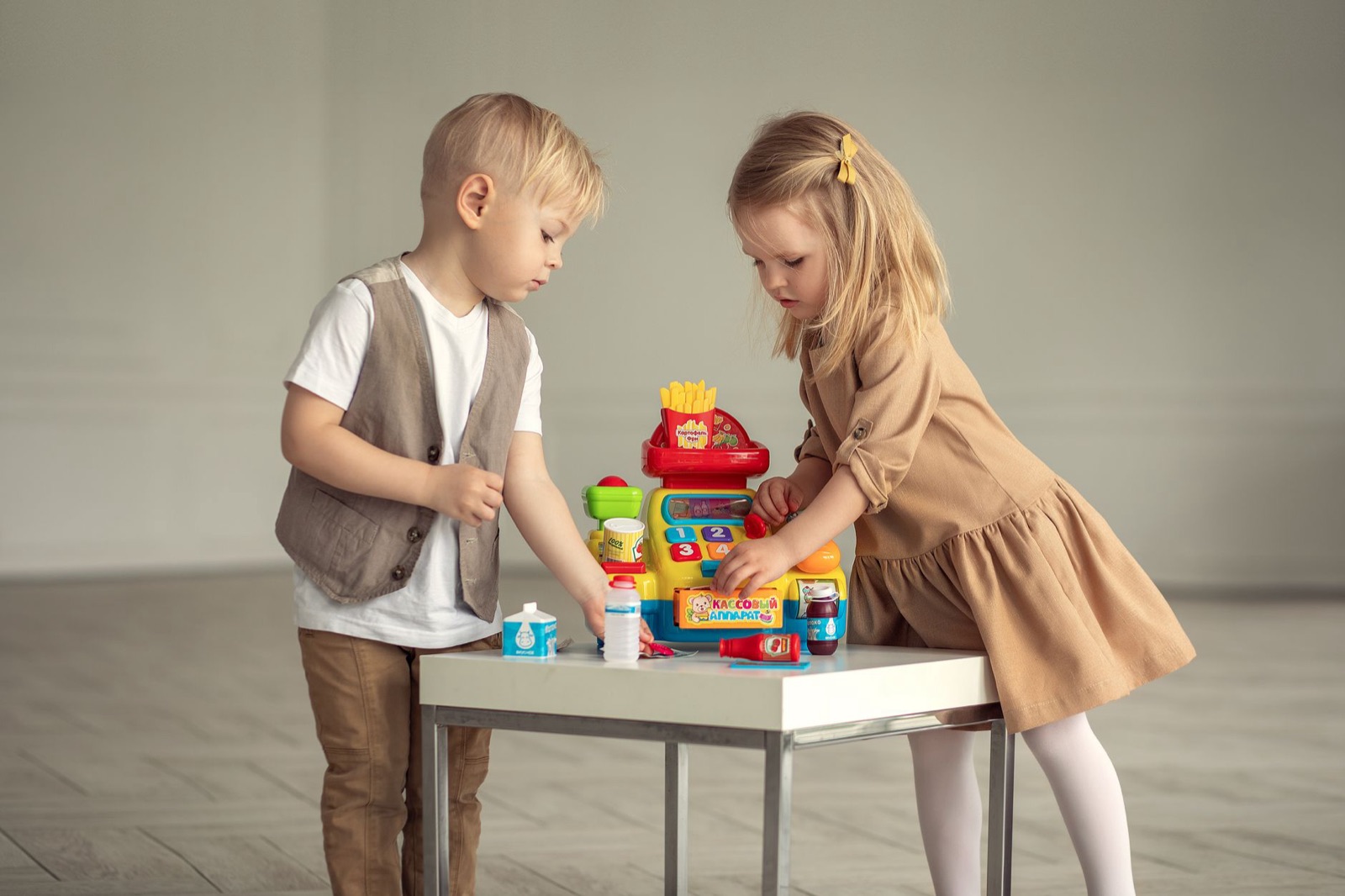
Pretend play ideas that grow out of a drawing (shops, vets, restaurants and more)
A drawn menu, a paper till and a toy bear with a bandage: pretend play grows fast when the props are made by the children. Here are six games that start with a pencil.
9 min read
How Scribblie Works: From a Drawing to a Friend Who Talks Back
A plain-English walk through Scribblie, the app we are building: how a drawing becomes a friend, what it remembers, what grown-ups control and where it can go wrong.
8 min read