The toddler scribble stage: what your child is really doing with that crayon
By the Scribblie team · Published · 9 min read
In this guide
- Why a toddler scribbles at all
- The three kinds of scribble
- Why you should not ask "what is it?"
- Grip: relax, it will change
- Tools that suit small hands (and small mouths)
- Managing the mess without ending the fun
- How long should it last?
- When it goes sideways: throwing, eating and refusing
- What about drawing on a screen?
- Keeping the evidence
- One small thing to do today
- Common questions
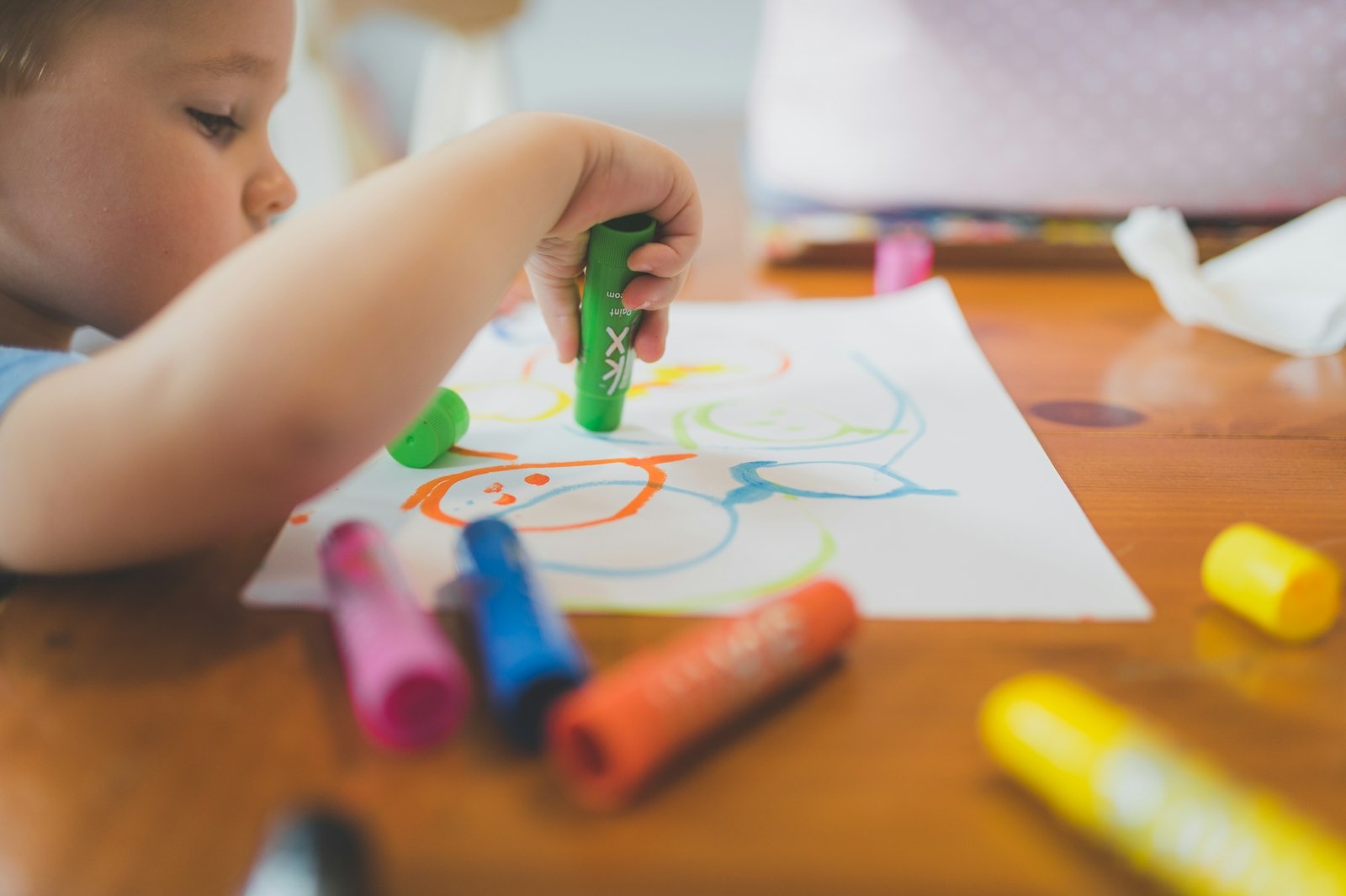
Your toddler is not making a mess. Well, they are, but it is the by-product of something more interesting: they have just worked out that a movement of their arm can leave a permanent trace in the world. That discovery is the entire scribble stage, and it is a big one. Everything that follows in drawing, from circles to cats to the neighbour's house, grows out of it.
The short practical answer: give them a large sheet of paper, a chunky crayon and your company. Skip "what is it?" and leave the grip alone. Expect most of the crayon to end up in the wrong place at least once.
Why a toddler scribbles at all
Think about what the first line must feel like. You wave your hand, and the paper changes. Nothing else a one-year-old does leaves such a tidy proof. Throwing the spoon makes a noise and gets taken away. Scribbling makes a mark and gets looked at.
The early work is mostly about the arm, not the eye. A toddler moves the shoulder and elbow, the crayon goes where it goes, and the child watches the result with huge interest. Control over the wrist and fingers comes later, gradually, which is why a toddler's drawing grows more precise over months without anyone teaching it.
It also helps to know what is not happening. Your child is not trying to draw you. They have no picture in their head that the line is failing to match. They are exploring cause and effect, the way they do with a light switch or a tap, except this time the effect stays.
The three kinds of scribble
People who write about children's art often split early scribbling into rough kinds. The names vary, but the sequence is familiar to anyone who has watched a toddler at the table. (If you want the larger picture of where this fits, see our overview of how children's art develops.)
Disordered scribbles. Big, sweeping, random-looking marks that run off the page. The child may not look at the paper at all. This is the arm exploring.
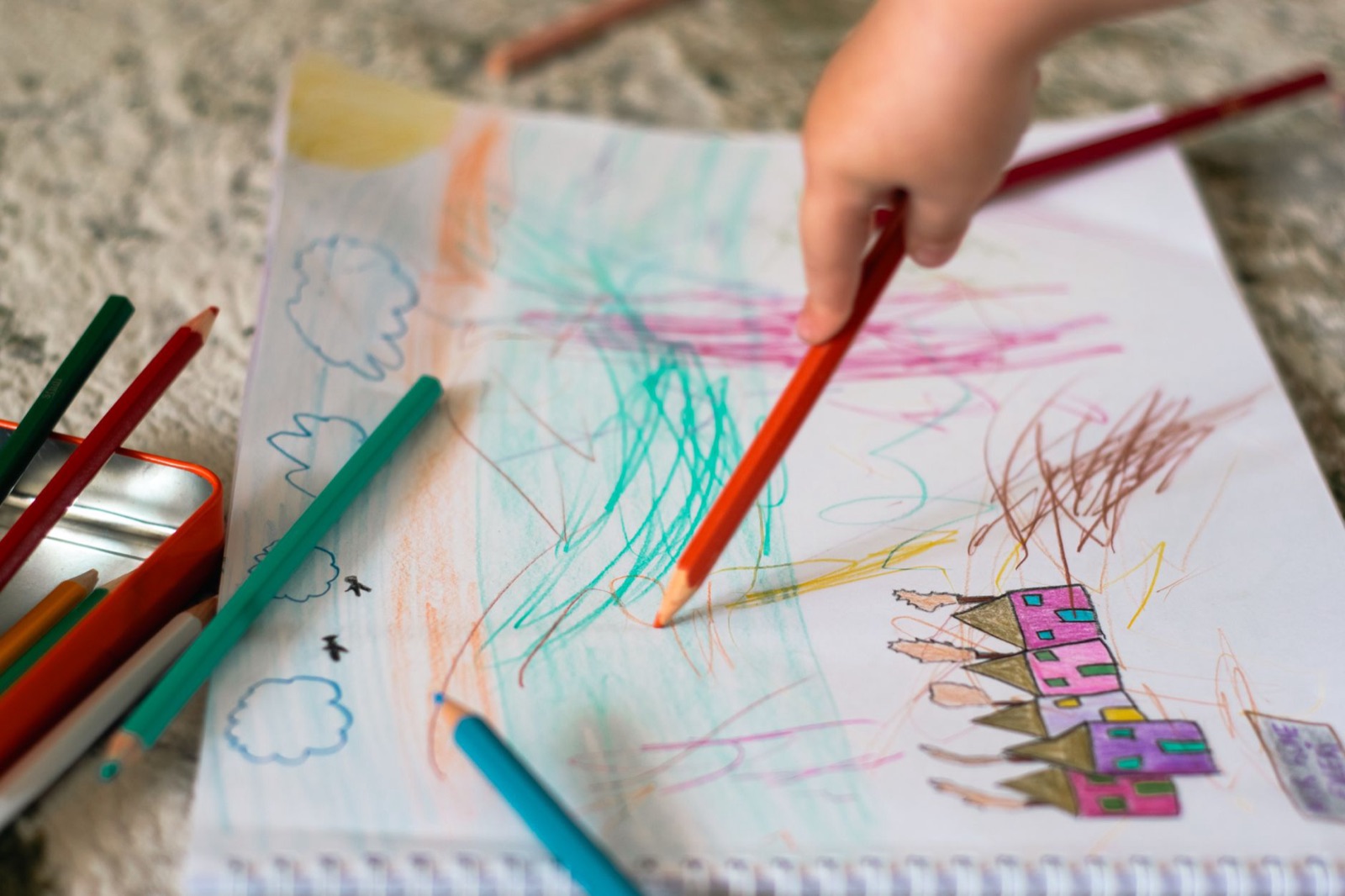
Controlled scribbles. The marks begin to repeat: back-and-forth zigzags, long lines, dots, circular loops. The child watches the crayon now, and may stop and start deliberately. You may see the same shape twenty times in a row, which is the child practising, not being stuck.
Named scribbles. Somewhere around two or three, many children begin to name the marks. "That's a bus." The marks look no more like a bus than they did yesterday. What has changed is the child's idea that a mark can stand for something.
Children drift between these, and none of it follows a timetable. A two-year-old can produce a controlled zigzag, then a disordered whirlwind, then announce that the whirlwind is a puppy. All of that is one perfectly healthy afternoon.
Why you should not ask "what is it?"
It is the most natural question in the world, and you ask because you are interested. But a scribble is often not a picture, and the question assumes it is.
A child who is asked, repeatedly, what they have drawn learns something odd: that the point of marks is to be identified by an adult. Some kids start to produce an answer on demand ("a dog!") because they have noticed that is what makes the grown-up happy. That is a charming skill, but it is not the one they were practising.
Try one of these instead:
- "You went round and round with that one."
- "Look how much blue there is."
- "That line is really long. Where did it start?"
- "Tell me about it." (and then wait, even if the answer is "nope")
If your child does volunteer a name, write it down in pencil somewhere on the page, along with the date. Later, those captions become the best part of your collection. We have a longer guide on how to praise a child's drawing with examples for different ages if you want more scripts.
Grip: relax, it will change
Toddlers hold crayons in ways that look alarming to adults. A fist around the whole thing, a clutch with the thumb tucked in, a grasp from above like a dagger. This is normal. Hands develop from the shoulder outwards, and most children move through several different grips over the next few years before settling into something more pencil-like.
You do not need to fix it, and trying to can make drawing feel like a test. What you can do is set up conditions that let the hand develop naturally:
- Use short, chunky crayons that are easy to grasp (or break a long crayon in half)
- Tape the paper to the table, since a toddler pushing down will otherwise send it skidding
- Let them draw on a vertical surface sometimes, such as paper taped to a wall or a low easel, which encourages the wrist to bend back
- Offer a mix of tools, so the hand gets different jobs
If your child is left-handed, or you think they might be, you may find our notes on left-handed kids and drawing useful. And if you have a particular concern about how your child uses their hands, the right person to ask is your child's doctor, not a drawing guide.
Tools that suit small hands (and small mouths)
Supervision matters here. Young children put things in their mouths, and crayon fragments, pencil ends and marker caps can all be hazards. Stay in the room while your toddler draws, check packaging for age guidance, and throw away broken bits.
Here is what has worked well for many families:
Chunky crayons. The classic. Look for non-toxic ones made for the youngest age group. Break off the paper wrapper so the side can be used as well as the tip.
Chunky chalk and a board or pavement. Outside, chalk is wonderfully forgiving. A big slab of pavement is the best paper there is, and rain wipes the slate clean.
Washable markers. Bold colour for very little effort, so they are tempting. Check that the label says washable, and keep caps out of reach. The truthful warning is that even "washable" can mean "washable from some things, in some conditions".
Paper that is bigger than you think. The back of a roll of lining paper or a cut-open grocery bag will do. A tiny page makes a toddler's sweeping arm run off the edge, which is frustrating for both of you.
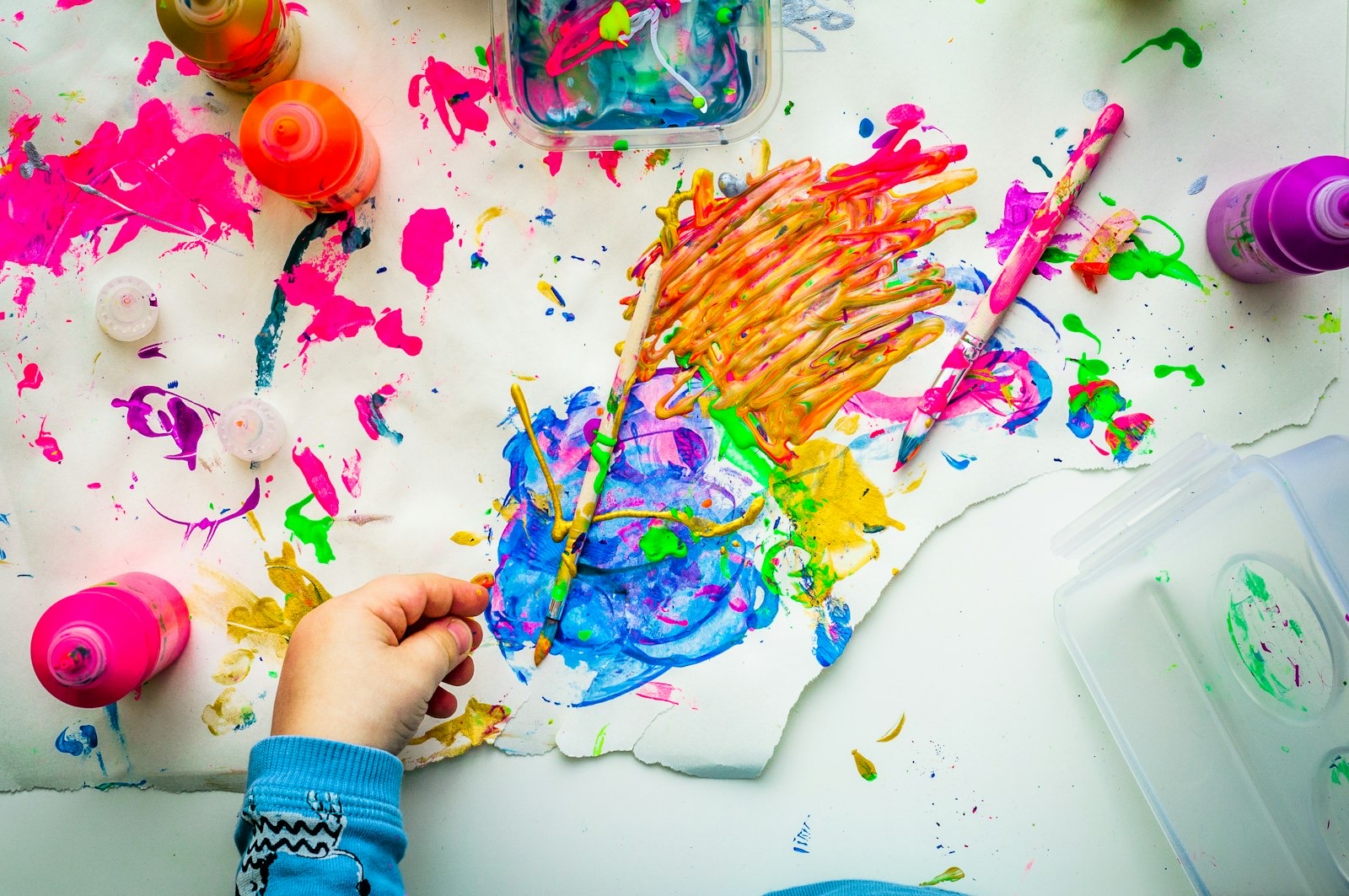
We would skip pencils for the very youngest (they are sharp and unsatisfying) and thin felt-tips with tiny caps. Finger paint and other paints are lovely, but they need supervision and a plan for the mess.
Managing the mess without ending the fun
Messy art and calm parents are not mutually exclusive, but you have to plan. A few things that help:
- Draw in one chosen place, ideally a floor you can wipe or a table with a wipe-clean cover
- Put on an old T-shirt that you are happy to lose
- Keep the supplies you are happy with in one box that comes out at drawing time and goes away after
- Decide the rule in advance and say it kindly: "Crayons are for paper." Then, when a wall gets decorated, calmly take the crayon away and offer paper again
It will probably happen at least once. A toddler with a crayon and a blank wall is a toddler with an incredible opportunity. When it does, a damp cloth, a bit of washing-up liquid and patience will remove most crayon from most painted walls, though test somewhere out of sight first. Some surfaces are not forgiving, which is the best argument for a large taped-down sheet.
How long should it last?
Not long. A toddler's drawing session may last three minutes or twelve. If it is shorter than you hoped, that is not a failure on your part, and it does not predict anything about your child's future as an artist.
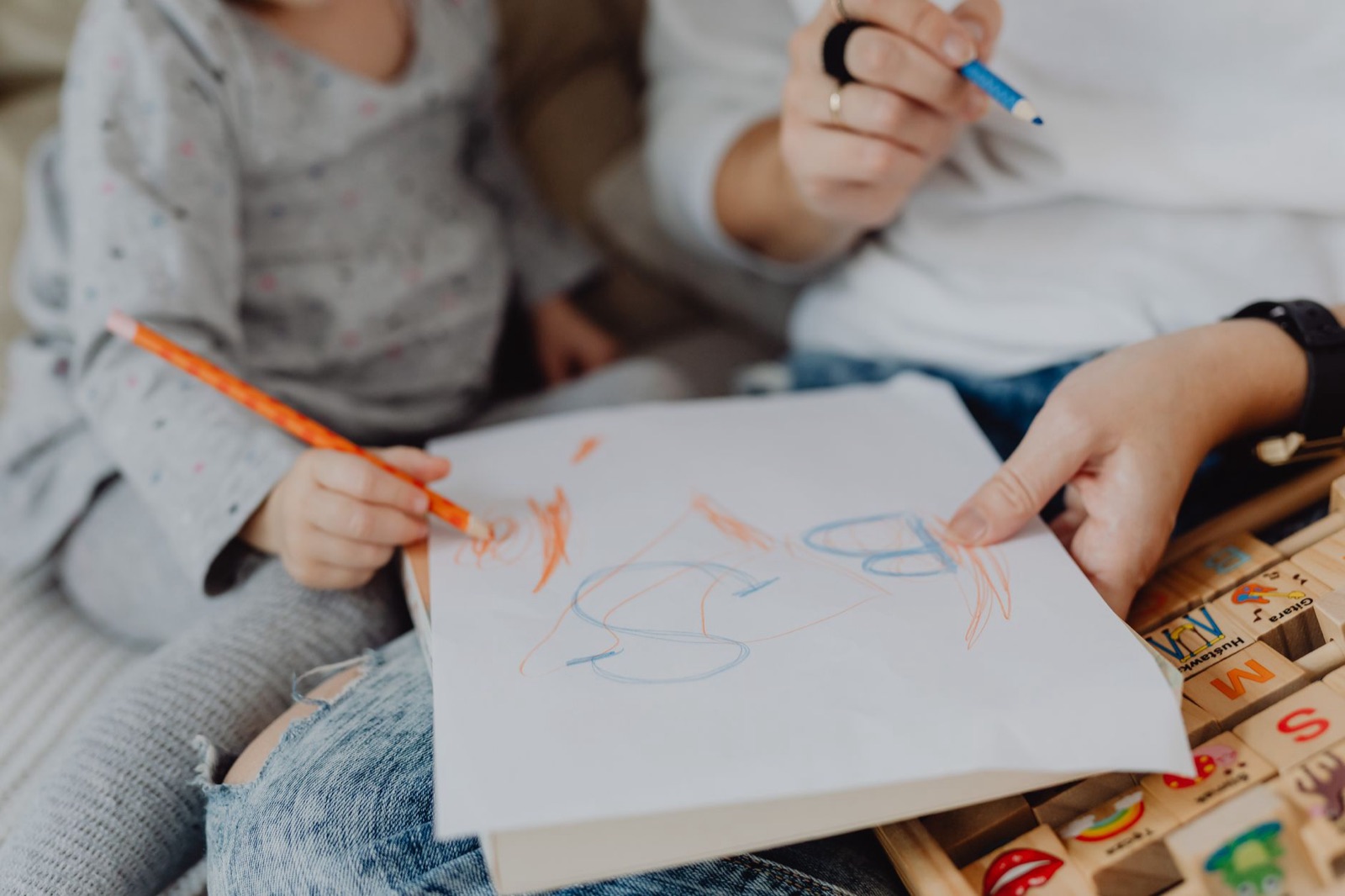
What tends to stretch it is company. Sit down and make some marks of your own, nothing fancy, and let your toddler look. You do not need to narrate. Many children drift into drawing simply because someone nearby is doing it. If they copy your zigzag, lovely. If they cover your zigzag in orange, also lovely.
A longer session usually happens when the setup is already there. A box in sight, a sheet on the floor, nothing to unpack. If getting out the crayons takes ten minutes, you will rarely do it.
When it goes sideways: throwing, eating and refusing
Some toddlers do not take to crayons gracefully. A typical afternoon might go like this: the crayon is thrown, then tasted, then snapped in two with enormous satisfaction, and the paper is ignored. It is not a sign that your child dislikes drawing. It is a sign that crayons are also objects, and objects are for testing.
For a child who mouths everything, wait a while and try again, or stay very close and keep sessions short. For a child who throws, try a tray or a taped-down page and a calm "crayons stay on the paper, thank you", then put them away after the second throw. For a child who flatly refuses, try something different: a sponge with water on a dark pavement, a finger in a tray of flour, a wet paintbrush on a fence. Marks are marks, and the hand does not care what made them.
A toddler who is tired, hungry or in the middle of a tantrum will not draw well either, and that is no more a verdict on your child than the tantrum is. Come back after a snack.
What about drawing on a screen?
Parents ask this a lot, and it is a fair question. For very young children, we think paper wins. A crayon on paper gives a toddler resistance, texture and a mark that stays. A finger swiping a screen gives a line, but it asks much less of the hand. We cover this in more depth in our guide to screen time for toddlers, including video calls and what to skip.
If your older toddler does enjoy a drawing app, keep it short, sit beside them, and keep paper available too. Neither replaces the other.
Keeping the evidence
You will be tempted to throw it all out, and you will be tempted to keep every single piece. Neither works. A good compromise is a shoebox per year. Date the backs in pencil, add a quote if your toddler said something remarkable, and put the best five in the box. The rest can go in the recycling, or become wrapping paper for a grandparent's gift.
If you are curious about different ways to hold on to artwork without drowning in it, our piece on keeping and thinning out kids' artwork goes through the options.
One small thing to do today
Find the largest piece of paper in the house. Tape the corners down. Put one crayon on it, and sit beside it with a cup of tea. You do not have to say a word.
If your toddler wanders off after a minute, that is fine. The crayon will still be there when they come back, and so will you.
Common questions
Is drawing good for toddlers?
It is a satisfying thing to do and it gives small hands plenty to practise, so we are happy to recommend it. We would not call it a developmental test or a lesson, though. Treat it as play, keep it supervised, and let your toddler decide how long it lasts.
When do toddlers start scribbling?
Many children make their first deliberate marks somewhere between 12 and 18 months, often copying what they see someone else do. Some start earlier, many start later, and a toddler who prefers throwing the crayon is still entirely normal.
Why does my toddler scribble on everything except the paper?
Because to a toddler a wall is simply a bigger and more exciting piece of paper. Limit what is within reach, keep the drawing supplies with you, and make the paper the best option by taping it down large.
What is the best crayon for a toddler?
Chunky, non-toxic crayons sized for small hands are a good start, because thin ones snap and thick ones are easier to hold in a fist. Check the packaging for age guidance, and keep an eye out for broken pieces, which can be a choking risk for very young children.
Should I ask my toddler what they drew?
It is better not to, at least not at first. A scribble is a record of a movement, not yet a picture of a thing, and a question can push a child to invent an answer. Try "tell me about it" or simply "you used so much red" instead.
When should I worry that my toddler is not scribbling?
A lack of interest in crayons by itself says little, since toddlers differ a lot in what they enjoy. If you are concerned about how your child uses their hands, plays or communicates in general, mention it to your child's doctor, who can look at the whole picture.
Keep reading
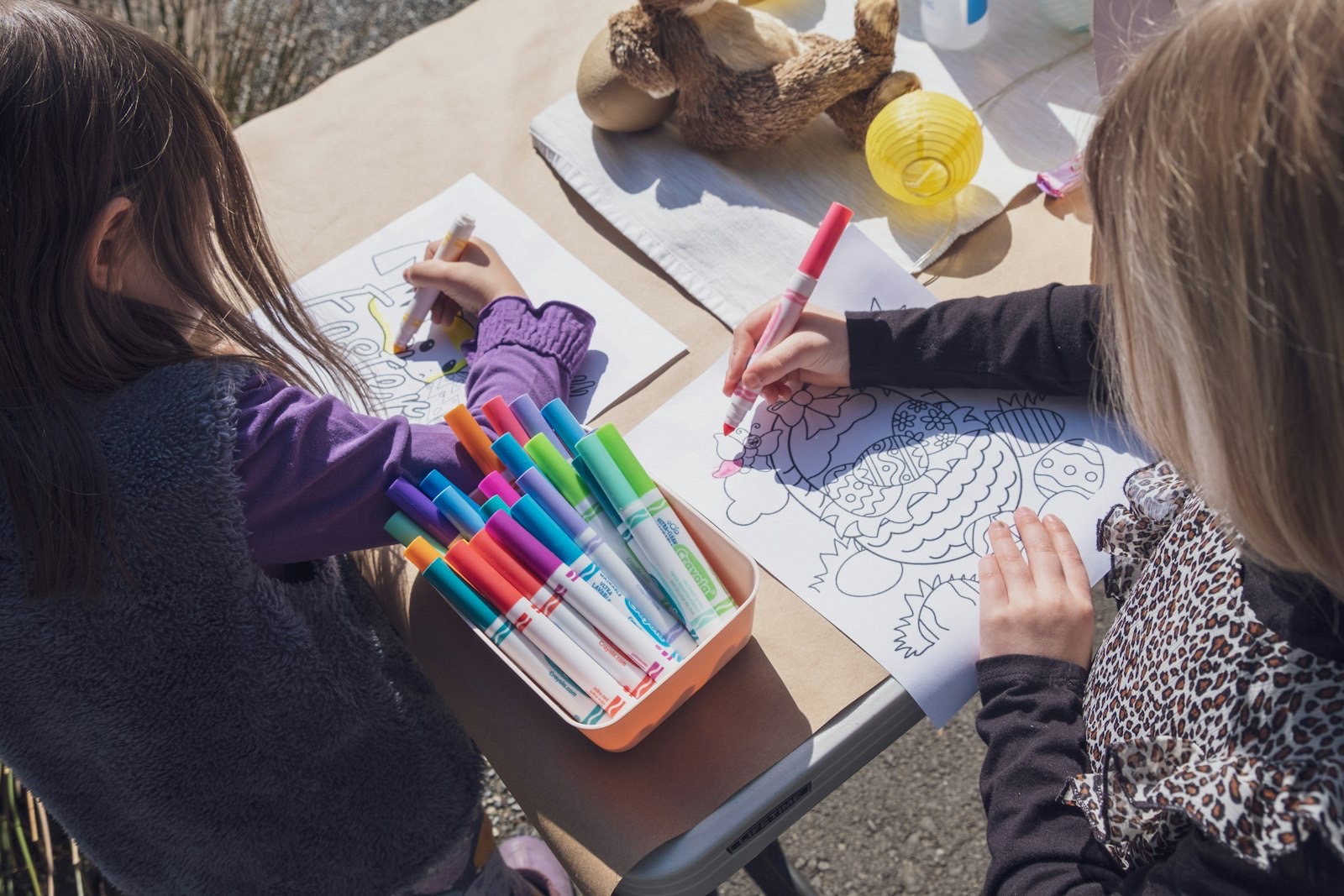
How to praise a child's drawing without killing their curiosity
Skip the automatic "it's beautiful". Here is what to say instead, with example lines for a three-year-old, a six-year-old and a nine-year-old.
8 min read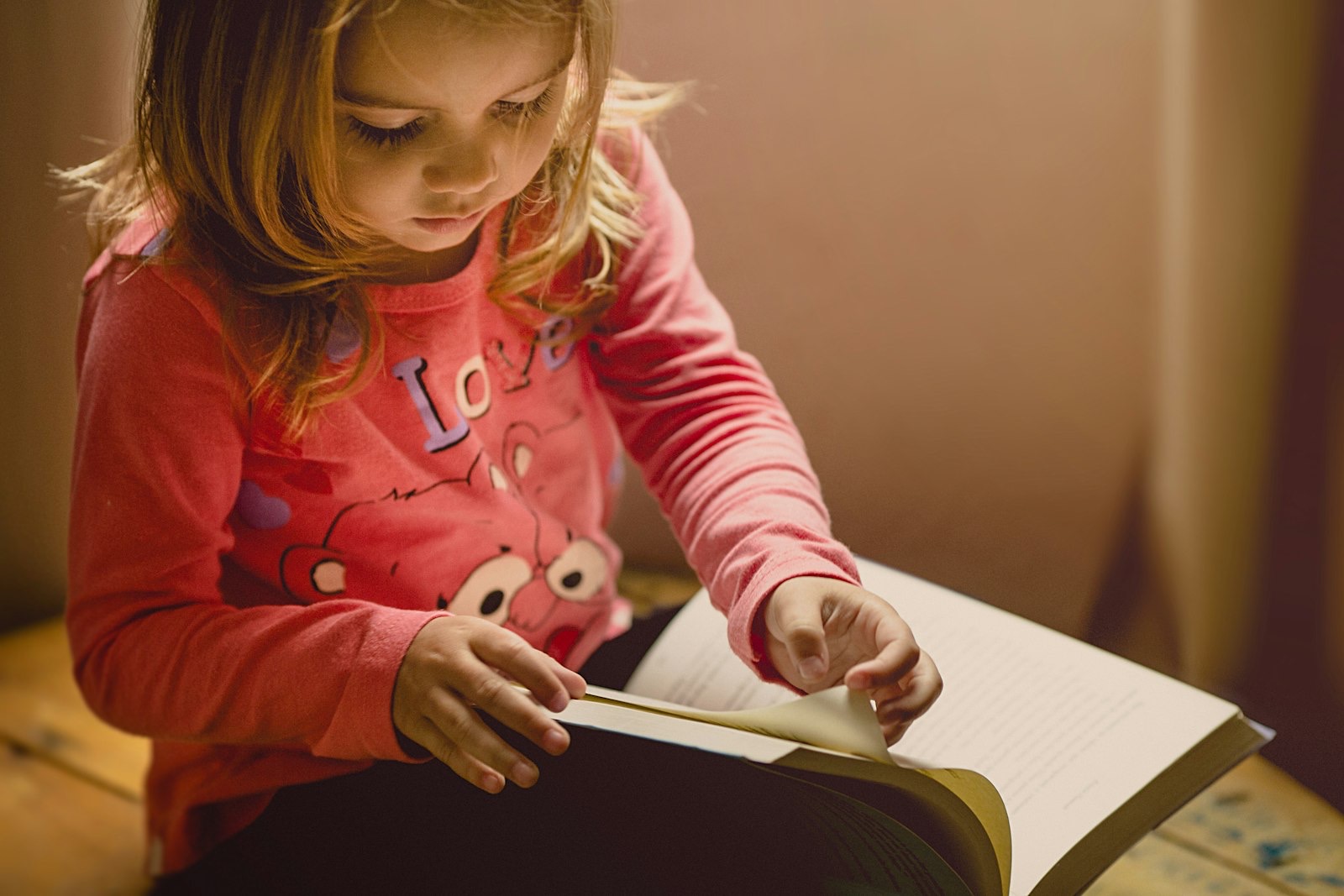
Left-handed kids and drawing: grip, smudges and setup
Smudged hands, hooked wrists and scissors that fight back. A practical setup guide for left-handed kids who draw, and why you should not try to switch them.
8 min read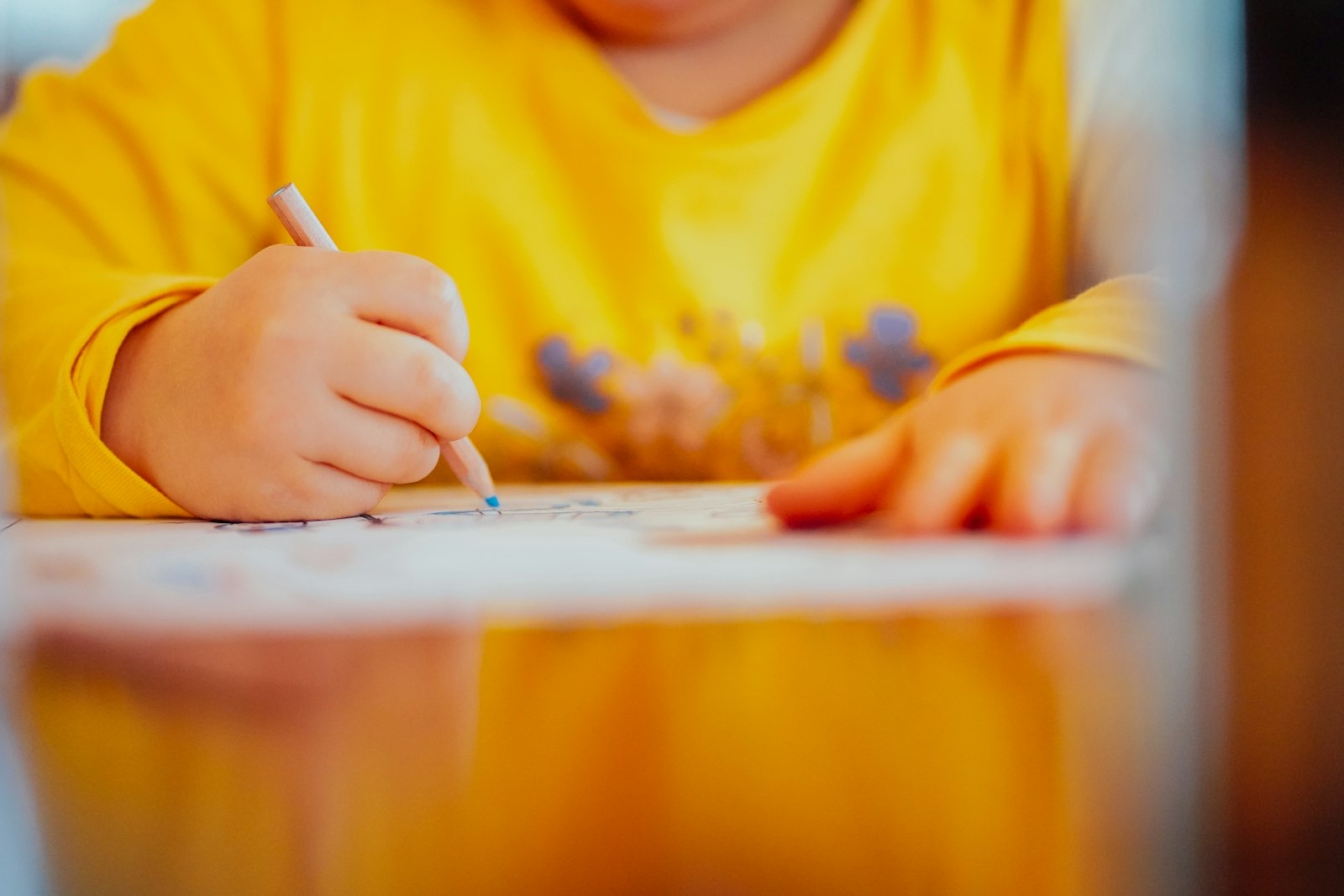
Stages of child art development, from first marks to realistic drawing
Scribbles, symbols, schemas and the wobbly leap toward realism. A rough map of how children's drawing changes, and what you can safely ignore.
9 min read