Birthday Party Art Activities for Kids That Do Not End in Tears
By the Scribblie team · Published · 9 min read
In this guide
- Why art parties wobble (and the three fixes)
- Set up the room before the first guest knocks
- A ninety-minute run of show
- The main activity: pick one of these
- Numbers, ages and the awkward sibling
- Group games with no losers
- Mess control, safety and the parent who will not stop hovering
- Favours that are not a bag of plastic
- When the birthday child melts down
- The small checklist for the night before
- Common questions
A kids' art party goes well when it has three things: a few stations that children can wander between, a timeline loose enough to bend, and a rule that no drawing gets judged. Everything else is detail. This guide gives you a ninety-minute run of show, the stations we would set up, a couple of group games that do not produce a crying loser, and a few ideas for favours that will not end up in a drawer.
We assume children of about four to nine, somewhere between six and fifteen of them, at home or in a hall. You can scale it up or down.
Why art parties wobble (and the three fixes)
Parties that go wrong usually go wrong in the same ways. One: the activity is too hard or too specific, so a few children finish quickly and the rest feel they have failed. Two: everything happens at once and nobody knows where to stand. Three: there is no end, so the whole thing melts into noise and cake.
The fixes are boring but they work. Pick open-ended activities, where a scribble and a masterpiece are both acceptable. Set up stations so a child can walk away without being rude. And give the party a clear shape: arrival, make, eat, one last game, collect your things.
If you are not sure your plan is open enough, ask yourself whether a child could do it "wrong". If so, change it until they cannot.
Set up the room before the first guest knocks
You will be happier with one long table than several small ones. A long table lets children come and go, and it gives the helping adults a place to stand. Cover it with a roll of plain paper or a plastic tablecloth taped underneath so it does not slide.
Divide the table into three zones, using masking tape on the paper if you like:
- A dry zone with paper, pencils, crayons and washable markers.
- A cutting-and-sticking zone, with child-safe scissors, glue sticks and scrap paper, near an adult.
- A wet zone, if you are using paint, at the far end or on a different table, with a jar of water and a cloth.
Put the paint away from the food table and from the front door. Children arrive in their best clothes, and a wet paintbrush near the entrance is an adventure for everyone. Aprons help, but an old adult shirt works as well and takes no shopping.
Have a drying place ready: a clothes rack, a string and pegs, or a stack of trays on a shelf. Write names on the back of every piece as it is finished. This step feels fussy, and it saves the end of the party.
A ninety-minute run of show
Here is a timeline we would use. Adjust it to the age of the group. It is a guide, not a contract.
First 15 minutes, arrival. Children drift in. Every child gets an immediate, small, mess-free job: draw your name in big bubble letters on a paper bag, or make a name card for the table. This stops the clumping at the door and gives each child something to be proud of right away.
Next 25 minutes, main make. One shared activity, outlined below. An adult explains it in one minute and demonstrates in one more. Then step back.
Next 15 minutes, wander and finish. Open table, anyone can add to their work or start another. This is the safety valve for the child who is not interested in the main task.
Next 15 minutes, food. Hands wiped, art put to dry.
Next 15 minutes, group game. A quick one, no winners.
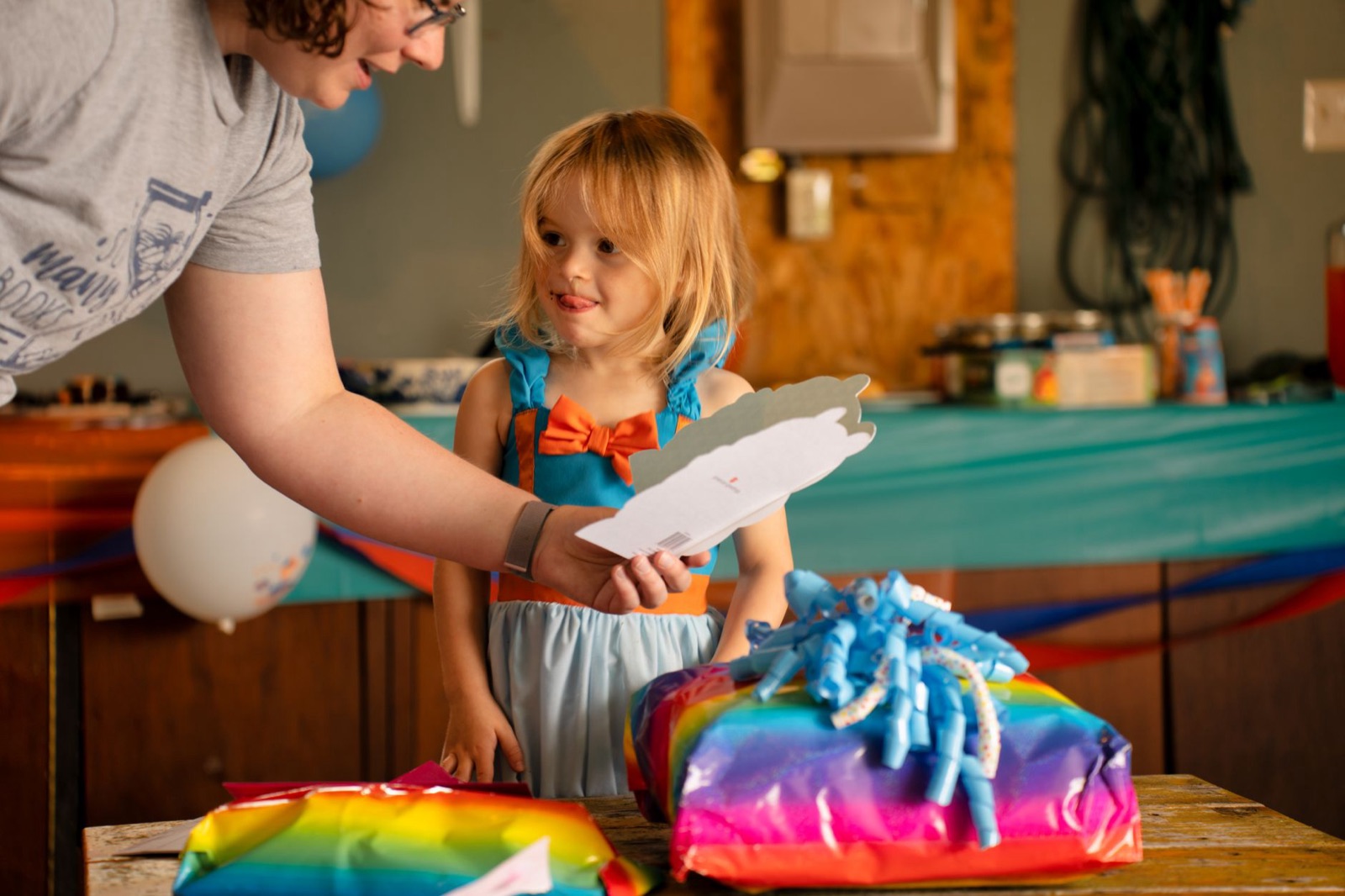
Last 5 minutes, collect and go. Each child gets their art, rolled or in a bag, and a small favour.
If the party runs two hours, give the main make 40 minutes or add a second activity. If it runs an hour, drop the open table and keep the rest.
The main activity: pick one of these
There is no perfect party project, but there are a few that rarely fail.
A shared giant mural. Tape a long roll of paper to a wall or to the floor. Draw a simple scene outline (a street, a jungle, an underwater world) and let each child fill a patch. It works well across ages. The younger ones scribble waves, the older ones draw fish with expressions. Number or name the patches so a quiet child does not get squeezed out.
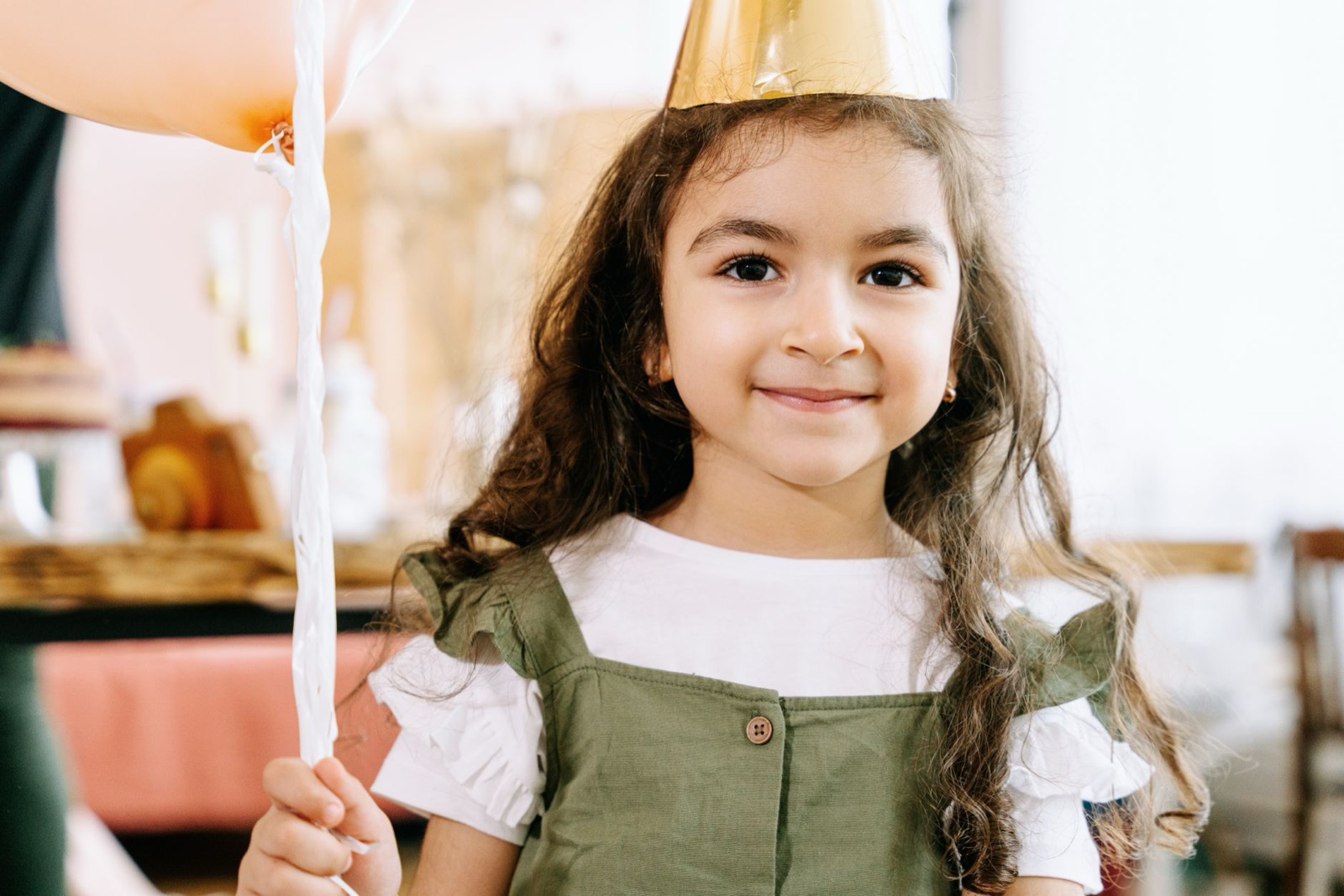
Decorate-a-crown or a mask. Cut crown strips or mask shapes beforehand from card. Children decorate with markers and stickers, and an adult staples the crown to size. Skip glitter and tiny sequins if there are toddlers present, and keep the stapler in an adult's hands.
A paper-bag puppet. A lunch bag, a few markers and bits of coloured paper make a surprisingly lively puppet. The best part is the follow-on. At the end, everyone's puppet comes to the front and says hello. Some children love performing, and others only want to hold it, and both are fine. For more on this, see our guide to paper puppets from your child's drawing.
A "draw a monster" table. One child rolls a die for the number of eyes, another for legs, another for horns. Everyone draws their own version. The draw-a-monster game has full rules.
Pick the one that suits your room. If you pick two, the second should be much shorter.
Numbers, ages and the awkward sibling
Plan for the guests you invited and the ones who will turn up attached to them. A younger brother or sister tagging along is common, and a three-year-old in a group of seven-year-olds will not be content to watch. Keep a small basket of their own: chunky crayons, a few sheets, a sticker sheet. Put it somewhere near a parent, not in the middle of the main table.
If the age spread is wide, do not split the group by age, because this tends to cause noise and offence. Instead, give each activity two levels. In the crown activity, the younger ones colour a ready-cut crown while the older ones cut and design their own. In the mural, the youngest fill in the large shapes and the oldest add details. Children usually find their own level when nobody labels it.
For a larger group of twelve or more, make two identical stations rather than one big one, so nobody waits for a marker. For a very small group of four or five, you can skip the structure and do a single long, slow project. Many small parties turn out to be the happiest ones.
If the party is in a hall or park rather than a house, bring your own table cover, a bucket of water and a bin bag for waste. Halls rarely have what you need within reach, and a lost glue stick at the wrong moment can undo twenty minutes of calm.
Group games with no losers
Games at art parties go wrong when someone has to win. These do not need a winner.
Pass-the-paper. Each child begins a picture, then at a signal passes it to the left. The next child adds one thing. Repeat until the drawings return to the start. The results are bizarre and delightful, and every picture has a roomful of authors. Five or six passes is plenty. Our family drawing games guide has a longer list of this kind of thing.
The one-line drawing. Each child draws a creature without lifting the pencil. No rubbing out. Hold them up at the end, and ask each child to name theirs.
Silent gallery. Stick everyone's pictures along a wall, and invite all the children to walk past, slowly, in silence, like a museum. Then a short "what did you notice?" round. It sounds stern but children love the theatre of it.
The golden rule is to avoid ranking. If a child asks, "Whose is the best?", the answer at a party can be "they are all hanging in the gallery".
Mess control, safety and the parent who will not stop hovering
A few points about mess. Washable markers are much more forgiving than ordinary ones, and non-toxic washable paint is worth the small price. Test both on a scrap before the party in case a stain proves unwashable on your tablecloth. Put newspapers under anything involving glue.
Safety is mostly common sense, but say it out loud to the helpers. Scissors should be child-safe, and used under an adult's eyes. Craft knives and hot glue guns are an adult's job and should be kept well away. Small pieces such as beads, googly eyes and sequins are a choking risk for younger children and siblings, so either skip them or keep them off the table. Check for allergies when you send the invitation, since some paints, glues and snack foods can be a problem.
As for hovering parents: they are often just nervous. Give them a job. Ask one to hold the drying rack, another to take the photographs, a third to pour the juice. Parents with a task are much less likely to correct someone's drawing.
Favours that are not a bag of plastic
The best favour is the thing the child made, signed with their name and the date. Roll mural pieces into a tube, or slide flat pictures into a paper bag.
If you want to add a small extra, choose something practical: a short pencil with a rubber, three crayons wrapped in paper, a small pad stapled from scrap paper. All of these are cheap, and none of them is likely to be forgotten in the car.
Another idea is a "thank-you drawing" in return. Each child gets a postcard-sized card and a pencil to take home, with a note to draw something about the party and give it to the birthday child at school. It brings the party back for a second round. Our guide to setting up a starter art kit can help you decide what is worth buying in bulk.
When the birthday child melts down
Sooner or later, the birthday child may cry. A party is a lot, and the guest of honour is often the most overwhelmed. Build in a plan: a quiet corner with a pad and pencils, an adult who knows they might need to sit out for ten minutes, and a pre-agreed phrase. "Do you want your quiet table?" works better than "what is wrong with you?".
Some children are happier drawing on the sidelines, watching. That counts as taking part. Our piece on shy kids and creative play has more on this.
And if a guest declares that their drawing is awful and rips it up, stay calm. Offer another sheet, and say that sometimes pictures need a second try. Do not lecture. Our guide on what to do when a child says "I can't draw" has gentle things to say in that moment.
The small checklist for the night before
Tape down the paper. Cut the crown strips. Write the children's names on bags. Fill a jar with pencils, a jar with markers, a jar with water. Put the wipes by the door. Check the weather, in case the mural has to move indoors. Tell a helper exactly which table is theirs.
Then go to bed. The party will be loud and imperfect, and that is what the photographs will show later: someone with blue on their nose, laughing.
Common questions
How long should an art activity last at a kids' birthday party?
Somewhere around 20 to 30 minutes per activity is plenty for most groups. Young children tend to lose interest fast, so plan two or three short activities rather than one long one. Keep a looser, free-choice table open in the background for stragglers.
What art activities work for a party with mixed ages?
Open-ended activities work best: a big shared mural, decorating a paper bag or a cardboard crown, or drawing a monster from a spin of dice. Everyone can take part at their own level, and nobody is left out for being too young or too old.
How do I avoid mess at an art party?
Cover surfaces with cheap paper rolls or old sheets, use washable markers and non-toxic paint, and put aprons or old shirts on every child. Keep wet paint on one table and dry materials on another, and keep a stack of wipes near the door.
Should there be a prize for the best drawing?
We would skip it. Prizes in art tend to create one happy child and several flat ones. If you want some friendly competition, make the categories silly and give every child one, such as most curly tail or loudest colours.
What can I give as party favours that are art-related?
The thing each child made is the best favour. Add a small pencil or a few crayons in a paper bag if you like. Avoid anything with tiny parts for younger siblings who may be at the party.
How many adults do I need to run an art party?
A rough guide is one adult for every five or six children, plus one dedicated to any station with scissors or paint. Ask a friend or relative to help, and give them a specific table to look after.
Keep reading
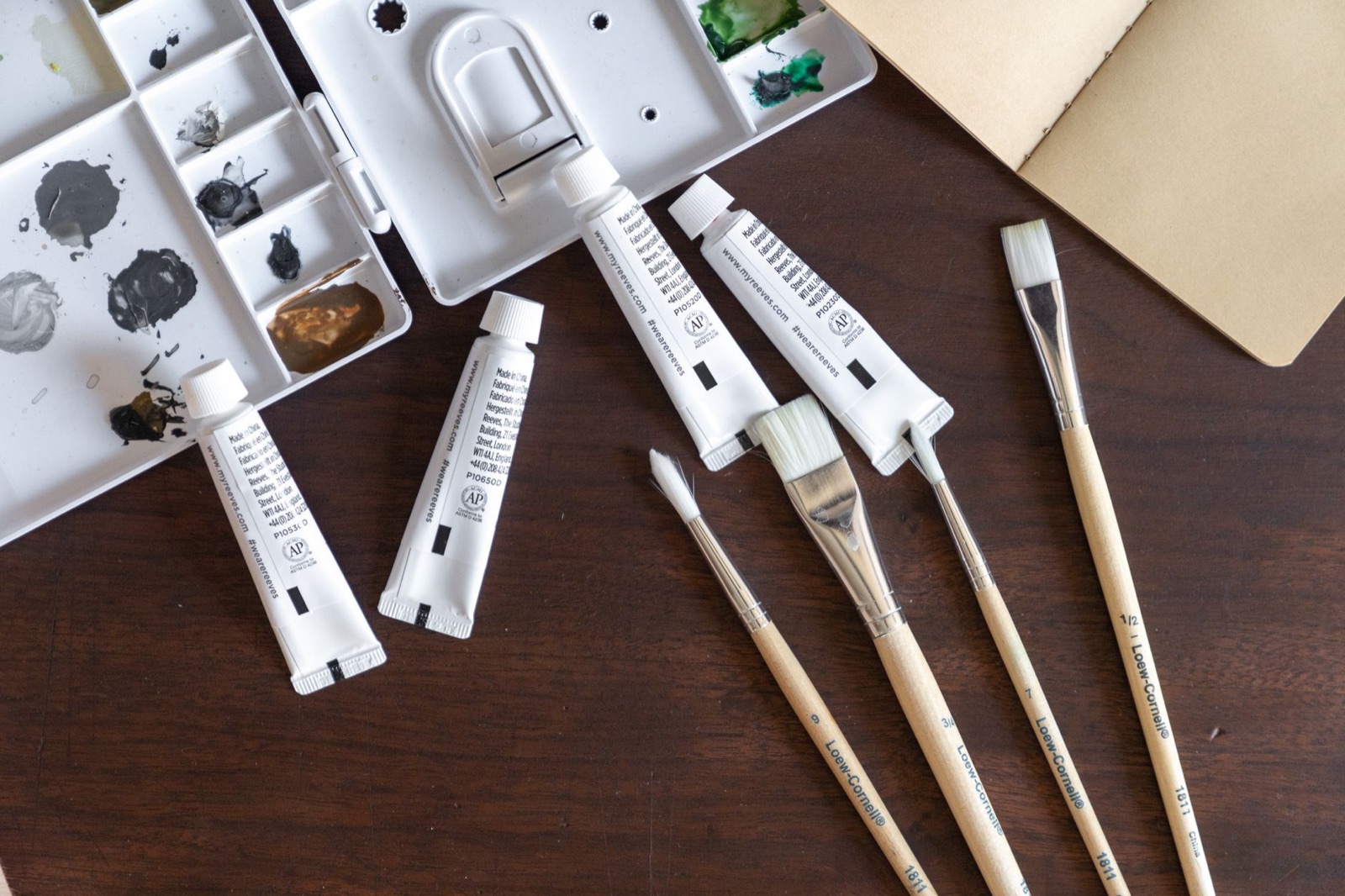
Art Supplies for Kids: A Starter Kit Under ₹2000 or $25
A starter art kit in order of priority, with what to skip, what to look for on the label, and a way to store it so the supplies actually get used.
8 min read
When your child says "I can't draw"
The sentence that stops a happy drawer in their tracks. Why it shows up, what to say that actually helps, and a few tricks that take the pressure off realism.
8 min read
The draw-a-monster game: rules, variations and why kids love it
Three ways to play draw-a-monster, why children return to it again and again, and how to turn a scribble with eleven eyes into a story.
9 min read