Summer Holiday Activities for Kids Who Love Drawing: A Week-by-Week Plan
By the Scribblie team · Published · 9 min read
In this guide
- Before week one: set up a corner, not a schedule
- Week 1: the draw-everything week
- Week 2: outdoors in the cool hours
- Week 3: story week
- Week 4: the mid-break slump (and what to do about it)
- Week 5: different materials, a bit of mess
- Week 6: a project with a deadline
- Weeks 7 and 8: finishing, choosing, showing
- Rainy days, travel days and days when nothing works
- One small thing to do tonight
- Common questions
Here is the short answer: pick a theme for each week, give your child a drawing table that stays set up, schedule one outing and one quiet afternoon, and finish with a small exhibition on the last weekend. That is the whole plan. The rest of this guide is a week-by-week version of it that fits six to eight weeks, which covers most summer breaks, including the long April to June gap that Indian schools often have.
We are not going to pretend you will do all of this. Nobody does. Treat it as a menu with a sensible order, and skip anything that makes the house tense.
Before week one: set up a corner, not a schedule
The single most useful thing you can do on the first day is make drawing easy to start. A small table or a patch of floor, a jar of pencils, a stack of plain paper, a box of crayons or markers, and a clipboard if you have one. Leave it out. A child who has to ask for the crayons, wait for you to find the paper and then sit at the dining table that is needed for lunch will mostly not bother.
A schedule can be loose. Something like: morning for the week's theme, a long gap in the middle of the day for rest, play and the dreaded siesta, and a second short drawing slot after tea. Fifteen to thirty minutes is a fine target for each slot with younger children. Older ones may go on for an hour and then not touch a pencil until the next day.
If you want a rough budget for supplies, our starter art kit guide lists what is worth buying and what to skip. Washable markers are worth the extra rupees. You will thank yourself by week three.
Also decide where finished work goes. A string across a wall with clothes pegs is perfect. It turns every drawing into a tiny gallery piece and, more usefully, it stops drawings from piling up on every surface in the house.
Week 1: the draw-everything week
The first week sets the tone, so keep it easy. The theme is "things in our house". Each day your child draws something different from where they actually sit: the fan, a shoe, the fridge magnet, the plant that is slowly dying on the windowsill, a family member who is asleep on the sofa.
This sounds dull, but drawing a real object that is right there gives children something to look at and compare with, which is quite a different skill from drawing from imagination. Many children are surprised by how much they notice. The fan has four blades, not three. The shoe has holes for laces.
A small game helps. Ask your child to draw a thing with their eyes on the object for as long as possible and only glance at the paper. The results are strange and funny, and they take the pressure off making it look right.
By the end of the week you will have a sheaf of drawings of ordinary things. Keep them. In week eight they make a good section of the exhibition: "Our house, before the holidays got weird".
Week 2: outdoors in the cool hours
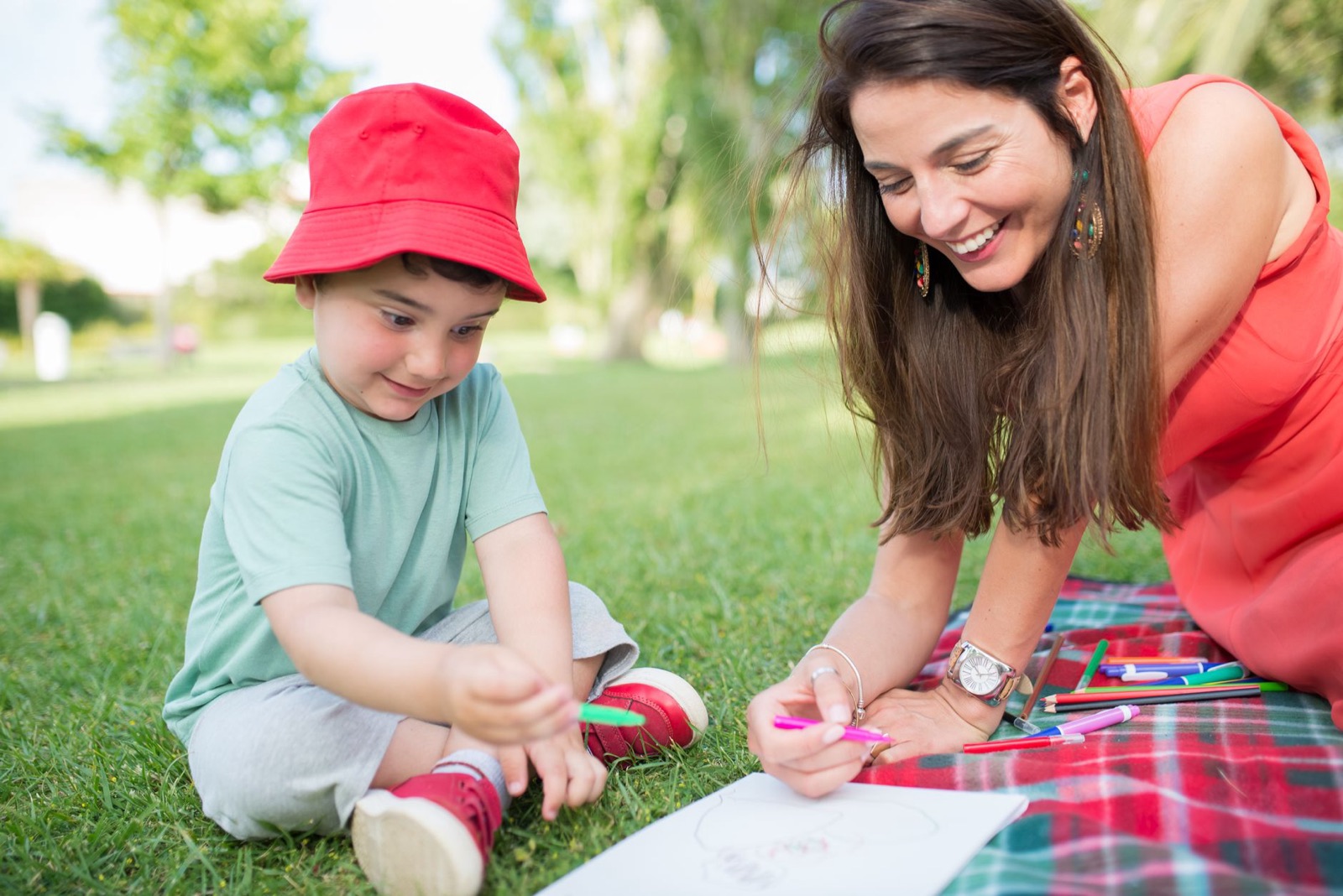
Now take it outside, but only at the right time of day. In much of India, midday in May is not a time for sitting in a park, and in other places a sunny afternoon can be just as harsh. Go early or late, take water, a hat, and a hard surface to lean on: a clipboard, a tray or a firm book.
The theme is "what lives here". A ten-minute sit under one tree, drawing every creature, bug, bird or squirrel that turns up. Some days nothing will turn up, and then the child draws the tree, the bench, a stranger with a dog. A typical outing might end with a page of half-finished sketches and a child who is far more interested in the swings. That is fine. You got a page and a walk.
For chalk, a shaded path or a balcony floor works well and washes off with a bucket. Neighbourhood children will wander over, which is a bonus for the siblings who need friends in the holidays.
Be sensible with any outdoor drawing: sun protection for little skin, and no one wandering near traffic with their head down at the paper. Younger children need an adult close by.
If you have two children with a big age gap, give them the same theme and different jobs. The five-year-old draws the creature; the ten-year-old draws the habitat it lives in, or the map of the park. Nobody is stuck doing "baby work", and the pictures fit together on the wall afterwards. A younger child will often copy the older one's marks for a while, which is fine, and the older one usually enjoys being the expert for ten minutes.
Take a snack on the outdoor weeks. It sounds trivial, but a child who is hungry and sitting on a hard bench will end the session faster than any amount of bugs or birds can rescue it. Cut fruit in a box is the unglamorous hero of most of these outings.
Week 3: story week
By week three the novelty has worn off, which is exactly when a story helps. The idea is a character who stays the same all week. On Monday the child draws a hero (a cat, a robot, a very small king). On Tuesday the hero gets a problem. On Wednesday the problem gets worse. On Thursday something unexpected helps. On Friday there is a party, or a nap, or a quiet ending.
You can write down what your child says beside each picture, or just let them tell it to you while they draw. Our guide to helping your child tell stories has some questions that keep a story moving without taking it over, and the story starter prompts are handy for the days when the hero simply refuses to do anything.
Stapled together on Friday, five pictures make a small book. Children tend to be proud of a book in a way they are not of a single drawing. Put it on the shelf with the real books.
Week 4: the mid-break slump (and what to do about it)
Somewhere around the middle, the energy dips. You may hear "I'm bored" before breakfast. This week, make the plan smaller and sillier.
Try a 30-day style of short challenges, but cut it to seven. Draw a monster that is afraid of something. Draw your lunch as a landscape. Draw the view from under the table. Draw a thing that does not exist yet and give it a name. Our monster drawing game has a version with dice that works well for siblings of different ages, and the doodle ideas for bored kids page is basically built for this week.
Give yourself a break too. This is a good week for one outing that you do not turn into an art lesson, and a couple of mornings where the paper is simply on the table and you say nothing about it.
Week 5: different materials, a bit of mess
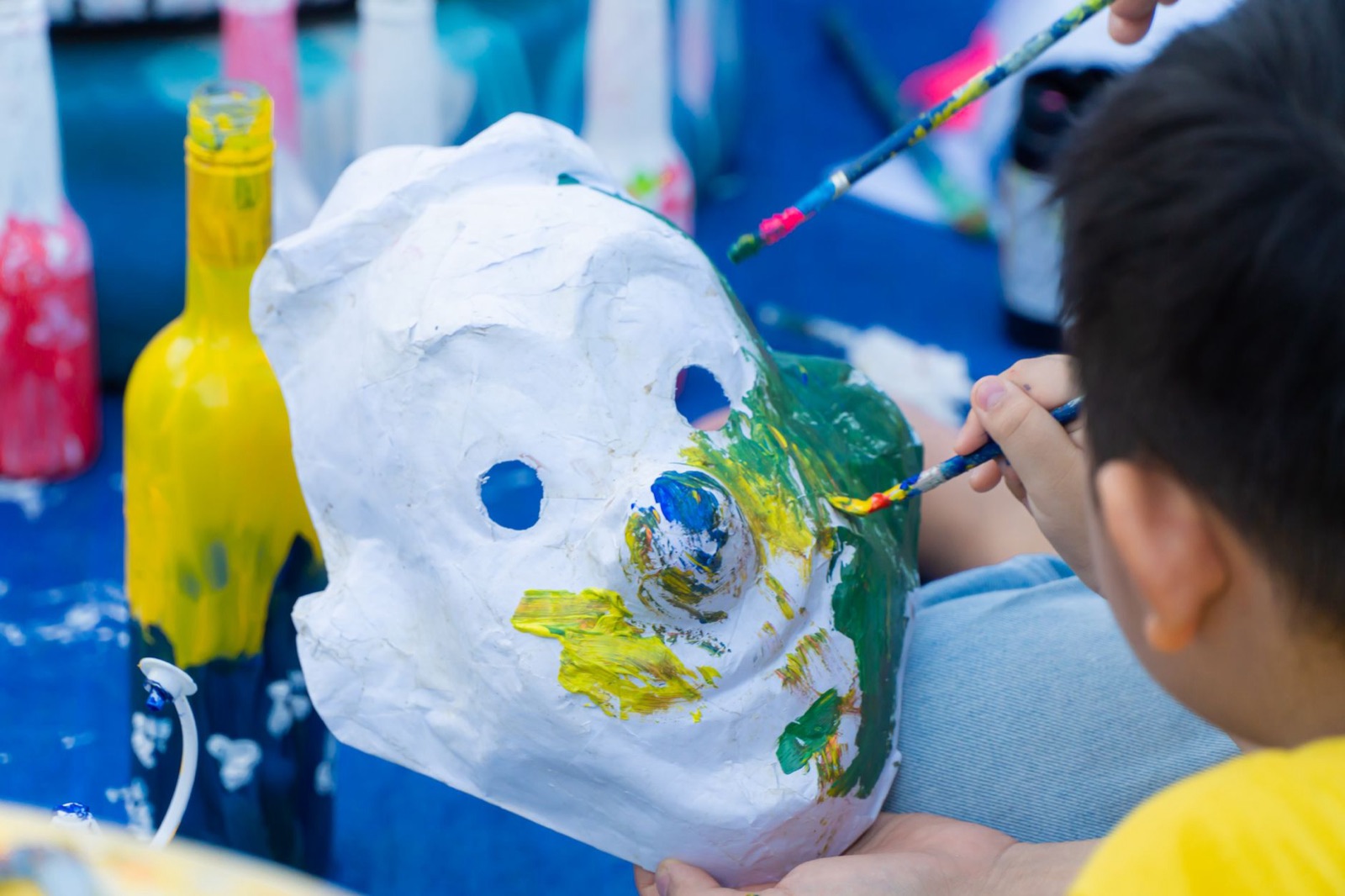
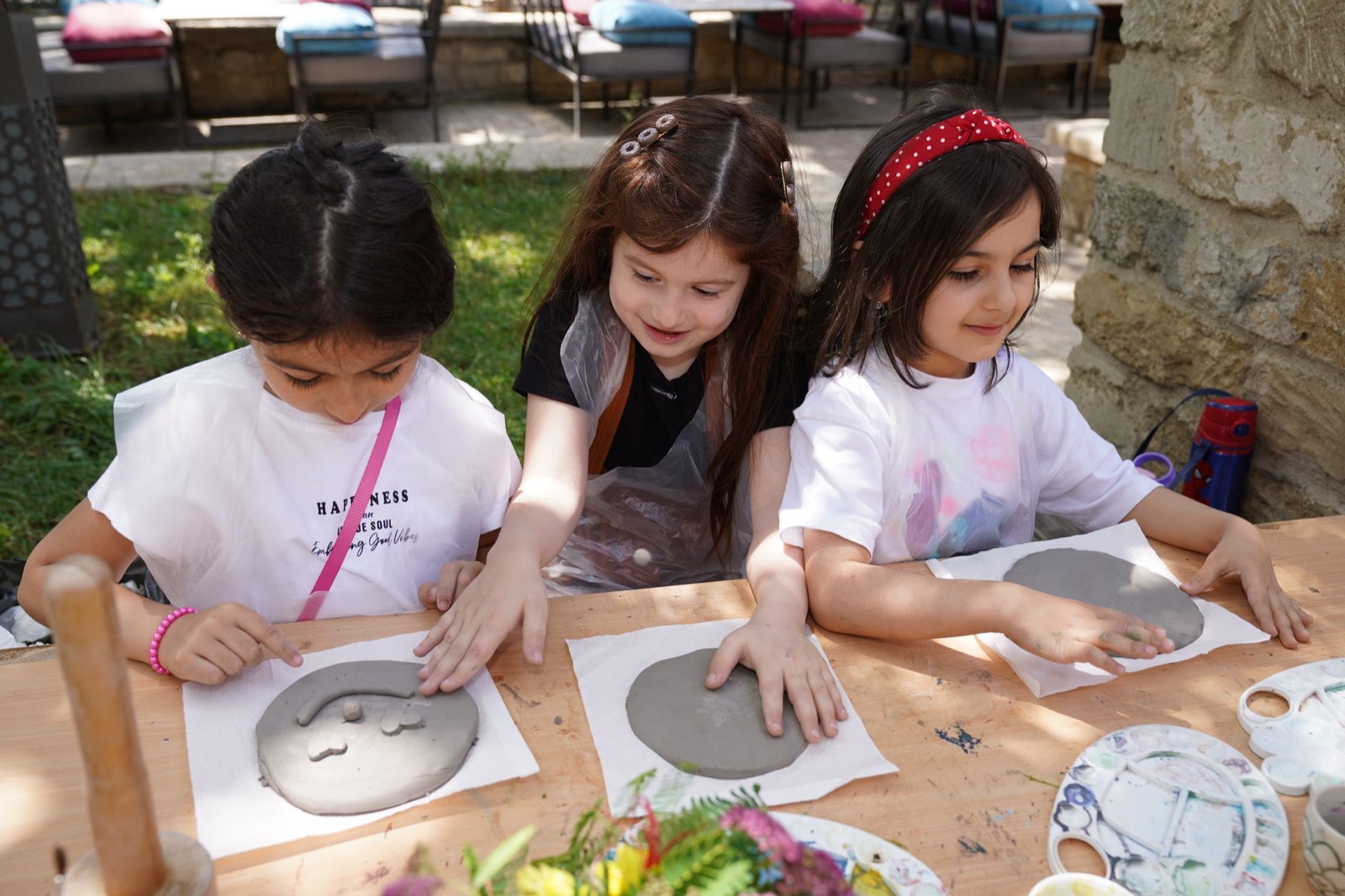
By now your child is used to their corner and probably a little bored of pencils. Change the material. Wax crayons with watercolour wash on top (the wax resists the paint, so the drawing seems to appear). Torn paper collage using old magazines. Printing with the cut end of a vegetable, such as okra or a halved potato, with an adult doing the cutting. A sponge cut into a shape.
We have a longer list in drawing with different materials. Our rule is one new material for a whole week, because children rarely do anything interesting with a material on day one. They need to get over the novelty first.
Safety matters here. Paint, glue and any ink should be non-toxic and suited to your child's age, and anything with small pieces or sharp tools needs an adult nearby. If your child still puts things in their mouth, keep the beads, buttons and dried beans for later.
Put down newspaper or an old sheet. Aprons can be an old shirt. Washing up the brushes is part of the activity, and quite a popular part.
Week 6: a project with a deadline
Children, like the rest of us, work better when something is coming. Announce the exhibition at the start of this week. It is a small thing: on the last Saturday, the family (and any grandparents who can join by video) will see a show of the best work from the holidays.
Then give your child a say in the planning. Which pieces go in? Does the show need a title? Do they want a sign, tickets, labels, a cup of juice for each visitor? A seven-year-old who has been asked to make a "price list" for free viewing has just discovered a new use for writing.
If distant relatives are involved, our guide on drawing together with grandparents has ways to include them, including mailed art and video-call drawing duels.
For a younger child, the project can be a single big picture instead. A long strip of paper, taped to the floor, with the whole family adding to one street scene, one jungle or one beach.
Weeks 7 and 8: finishing, choosing, showing
Week seven is for making and choosing. Lay everything out on the floor. Ask the child to pick five pieces for the show and to say why, with no hints from you about which ones you prefer. This is harder than it sounds for a parent. We have a guide on how to praise a child's drawing that might save you from saying "oh, but the dog one is so good" at the wrong moment.
Frame them, if you like, with a border of coloured paper or washi tape. Write a label for each one: title, artist, date. Let the child dictate it, and write exactly what they say.
Week eight is the exhibition itself. Hang the string, pin the pictures, set out a few chairs. The visitors' job is to walk slowly and ask one question about each piece. Questions are better than compliments, and our conversation starters about a child's drawing is a short cheat sheet for the grown-ups.
If you only have six weeks, drop week five or week four. If you have more than eight, add a free week where nothing is planned at all and see what your child chooses.
Rainy days, travel days and days when nothing works
There will be days when the plan collapses: a trip to relatives, a power cut, a stomach bug. Keep a small bag with a pad, a pencil and a couple of crayons. For a long train or car ride, use games rather than free drawing. Our car trip drawing games and rainy day drawing activities are written for exactly those moments.
And if a whole week gets skipped, do not make it up. Pick up wherever the plan is next. A holiday is long enough to absorb a few lost days.
One small thing to do tonight
Before the holidays begin, put a stack of paper and a jar of pencils somewhere the child can reach them, and tape up a piece of string along one wall. Do not announce a plan. Just leave it there and see what happens by the morning.
Common questions
How do I keep my child busy all summer holidays without spending a lot?
Pick one theme per week and let the materials be whatever is already in the house: paper, pencils, cardboard, leaves, a torch. A theme gives the week a shape, so you are not inventing an activity from scratch every morning. Two short drawing sessions a day, plus one outing, is plenty.
What are good creative activities for kids at home in hot weather?
Do the messy or outdoor things early in the morning or after the sun drops, and keep the afternoons for low-effort indoor work such as drawing on the floor, folding paper or building a story. Frozen sponges, chalk on a shaded balcony and drawing with a wet brush on a dry wall are cheap ways to stay cool and still make something.
How many hours a day should a child spend on art in the holidays?
There is no right number. Many children happily draw for twenty or thirty minutes at a time, then wander off and come back later. Offer a table and paper at the same time each day and let the child decide how long to stay.
What if my child says they are bored after three days?
Boredom around day three or four is normal and often passes by itself. Change the setting before you change the activity: move the same paper to the floor, the stairs or a neighbour's verandah. If it keeps up, start the week's theme with a small challenge rather than an open invitation.
How do I handle a child who only wants to draw the same thing?
Let them, and add one small twist each time: the same dog at the beach, the same dog at night, the same dog with a hat. Repetition is a normal part of how many children practise and feel confident.
Is it okay to mix drawing with screens during the break?
Yes, but it helps to decide the rules before the holidays begin, not on day twelve. Many families keep screens for a set slot and make the offline weeks the default. Our guide on creative versus passive screen time goes into how to tell the difference.
Keep reading
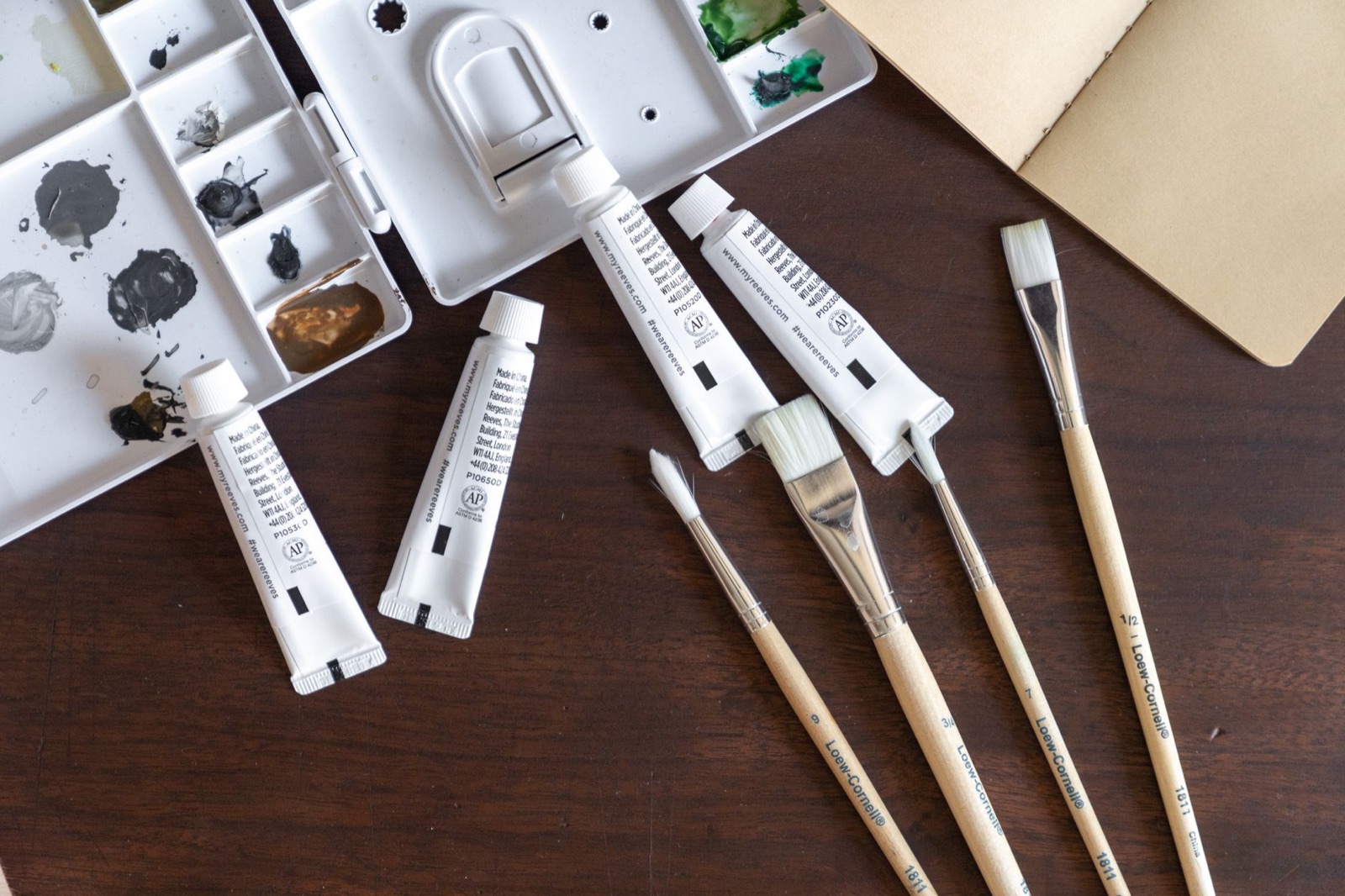
Art Supplies for Kids: A Starter Kit Under ₹2000 or $25
A starter art kit in order of priority, with what to skip, what to look for on the label, and a way to store it so the supplies actually get used.
8 min read
Grandparents and Grandchildren Activities: Drawing Together From Far Away
Ways for grandparents and grandchildren to draw together across cities and time zones: mailed art, video-call games, a shared storybook and a few tips for the call itself.
9 min read
Drawing games for car trips and long train rides
A practical kit and a set of motion-friendly drawing games for car trips and train rides, with notes on queasiness, mess and the noise level in the back seat.
9 min read